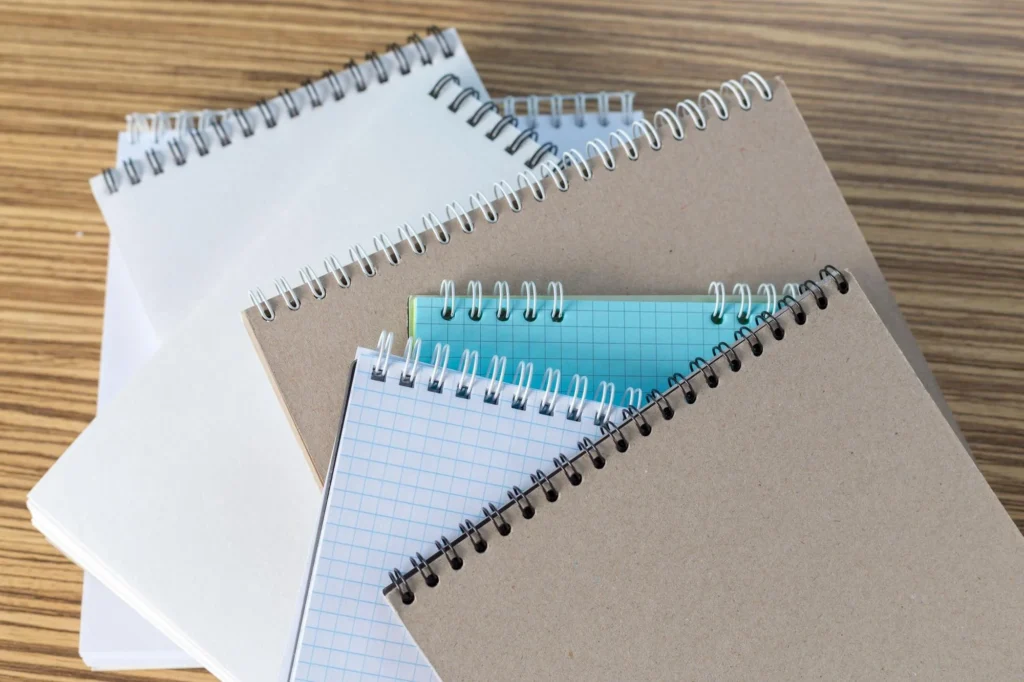
As mentioned above, flexibound books are positioned between hardback books and paperback books. Unlike hardback books, flexibound books are more flexible, however they are generally stronger and of a higher finish than paperback books. The cover of a flexibound book may extend beyond the page block, and use a case-style structure for the spine and endpapers.
Still, products described as flexibound are not always built the same way. One may use sewn sections and a flexible case. This would be a thick softcover with a glued spine. Before you place your order for a print product online, you should check a few details on the cover structure, the binding, the material, the paper, the page count, the size, the branding and the quality standard.
The Labon Softcover PU Notebook gives you a practical starting point for a light, professional notebook with a soft PU cover. You can then ask Labon to adapt the structure, inner pages, logo, and accessories to your project. Established in 2003 in Yiwu, Yiwu Labon Stationery Co., Ltd. has spent more than two decades producing paper notebooks for office, student, diary, and custom use. Its product range covers hard notebooks, soft notebooks, coil books, note books, gift boxes, and related paper products.
What Is a Flexibound Book and How Does Flexibinding Work?
There’s more to a flexibound book than a sturdy hardback style paperback with extra thick card. Value lies in the total package of cover, spine, endpapers and page block. Therefore it’s better to check the details of the construction rather than just reading the name of the product.
Flexible Case-Bound Construction
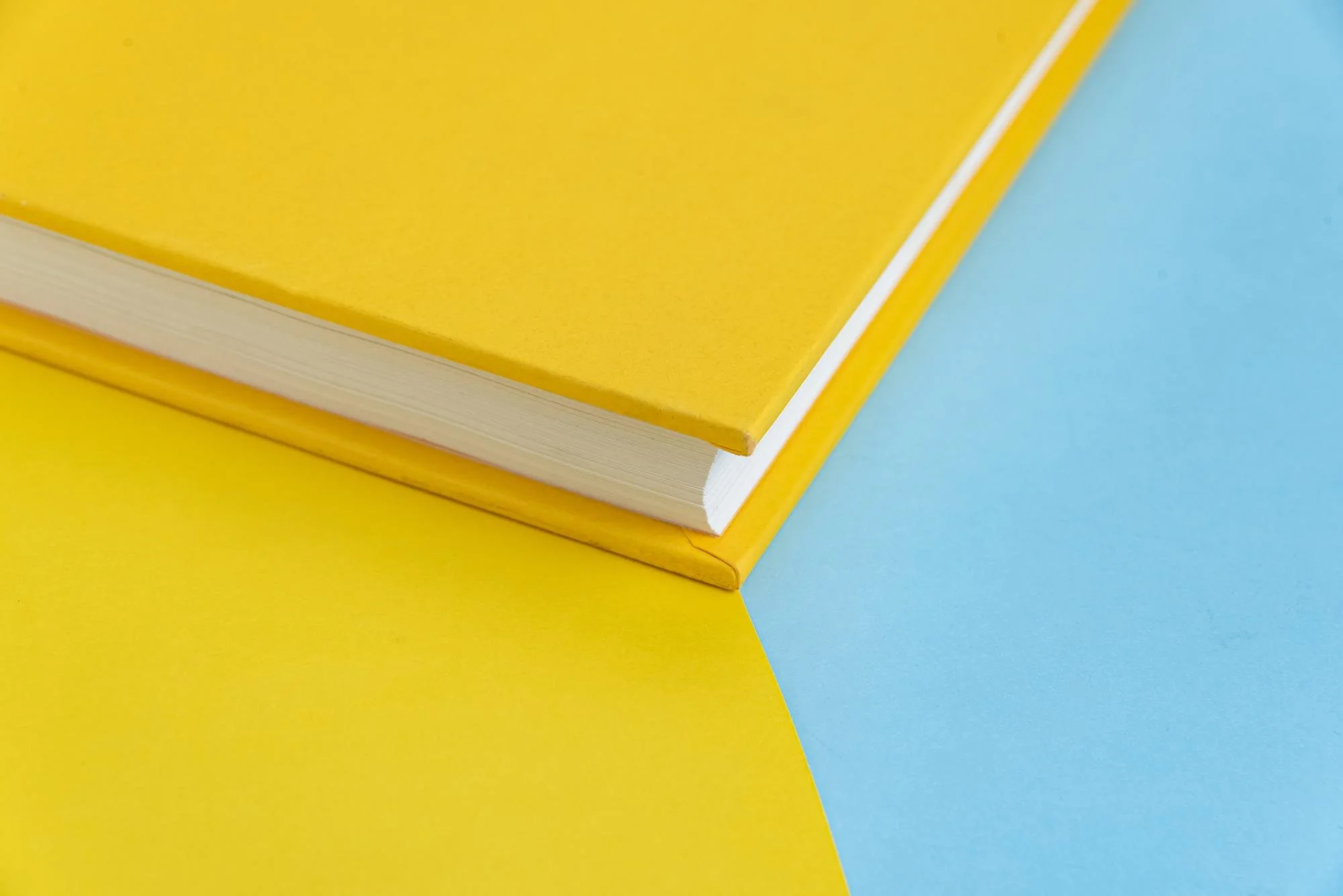
In paperback editions the card cover is glued to the spine. The cover and spine are then trimmed to the same height as the rest of the book. Flexibound books are covered in a separate flexible case which is wrapped around the book block. The cover may extend slightly beyond the edges of the pages.
This overhang adds protection to the notebook and helps in the overall aesthetics of the product. Unlike a hardcover the cover of this notebook still bends while in use.
The Labon Softcover PU Notebook follows the right visual direction for this type of product. When true flexibinding is required, ask Labon to confirm the cover support, hinge, spine shape, and page block connection.
Cover and Book Block Connection
The connection between the cover and the pages affects durability. Some flexibound books use endpapers to join the book block to the flexible cover. Others use adhesive binding with added support.
A sewn page block often handles frequent opening better because folded sections are stitched before being attached to the cover. Adhesive binding can also work well, but performance depends on the glue, paper surface, spine preparation, and curing process.
Your sample should use the same paper, page count, and binding method as the final order. A thin display sample cannot show how a thicker notebook will open.
Flexibound Terminology for Buyers
You may see flexibound, flexi-cover, flexicover, flexible case binding, and premium softcover used for similar products. Suppliers may not define these terms in the same way.
Ask for a physical sample and written specification. Check whether the cover is flush with the pages or extends beyond them. Confirm the endpapers, sewing, adhesive, cover support, and spine structure. A simple construction drawing can prevent mistakes before artwork and production begin.
Flexibound vs. Paperback vs. Hardcover
Your choice depends on weight, durability, price, and product position. The best option is the one that fits your customer, sales channel, and expected use.
Cover Rigidity and Product Weight
Paperback books are usually light and economical. They work well for manuals, promotional notebooks, and low-cost retail products.
Hardcovers use rigid board and provide stronger page protection. They suit formal gifts, commemorative books, and products with heavy page blocks, but they add weight and production cost.
Flexibound books sit between these formats. They feel more substantial than paperbacks while remaining easier to carry than hardcovers. This makes them suitable for journals, planners, meeting notebooks, and retail stationery.
Durability and Opening Performance
A flexible cover does not guarantee a durable notebook. Paper grain, sewing, adhesive, hinge space, and spine width all affect performance.
Paper grain should normally run parallel to the spine. Wrong grain direction makes pages resist opening and puts more stress on the binding. Thick page blocks also need enough hinge space to prevent pulling or wrinkles near the spine.
Flexibound does not always mean lay-flat. When flat opening matters, test pages near the front, middle, and back of the sample.
Cost and Market Positioning
Paperback is often the lowest-cost choice, while hardcover usually costs more. Flexibound production often falls in the middle, but the final price depends on the full specification.
Page count, paper weight, sewing, PU quality, logo finishing, accessories, packaging, and quantity all affect the quote. A simple flexibound notebook may cost less than a heavily decorated paperback.
Instead of asking only which binding is cheaper, decide which format supports your selling price and gives the customer a clear reason to buy.
Cover Materials and Surface Finishes
The cover receives most of the daily wear. Material selection should consider touch, bending, abrasion, logo clarity, and color control.
PU Leather Flexibility and Touch
PU is widely used for business notebooks and journals because it offers a soft feel, a clean surface, and many color or texture choices. It also works with several logo methods.
The Labon Softcover PU Notebook suits meetings, employee gifts, events, and retail collections where you want a professional look without a rigid cover.
Not every PU material performs the same way. Bend the sample near the spine and corners. Look for whitening, cracking, peeling, strong odor, or color differences. These problems may not appear in a digital mockup.
Debossing, Foil, and UV Printing
Labon’s custom notebook production process includes debossing, foil, metal logos, die cutting, embroidery, and UV printing.
Debossing creates a quiet business look and works well for company names. Foil gives stronger contrast and suits anniversary gifts or premium retail products. UV printing supports color artwork and detailed graphics.
The finish must match the cover surface. Heavy texture can reduce small-letter clarity, while large foil areas may crease when the cover bends. Request a logo test on the actual PU material.
Bend, Abrasion, and Edge Resistance
A cover may look good when new but fail after repeated use. Simple sample tests can reveal problems early.
Rub the surface with a clean cloth and check for color transfer. Open and close the notebook many times. Press the corners and inspect the edges for lifting. Check whether the logo changes shape around the hinge.
For the Labon Softcover PU Notebook, make sure the approved sample uses the same PU thickness, edge treatment, and cover support planned for production.
Paper, Page Count, and Binding Specifications
The inner pages affect spine width, total weight, opening resistance, and cover performance. Paper and binding should be selected together.
Paper Weight and Ink Performance
Lighter paper keeps the notebook slim and allows a higher page count. Heavier paper often reduces show-through but creates a thicker and heavier book block.
Choose paper based on the expected writing tools. A notebook for ballpoint pens does not need the same paper as a journal intended for wet ink. Always test the paper with real pens.
Labon supports blank, ruled, dotted, and grid layouts through its customization service. This lets you adapt the Labon Softcover PU Notebook for meetings, planning, journaling, drawing, or record keeping. For the paper itself, Labon works with conventional wood pulp paper, stone paper, coated paper, watercolor paper, and cotton paper. You can choose among these directions according to the writing tool, page layout, retail position, and intended use.
Page Count and Spine Width
More pages do not always create a better product. A very thick flexibound notebook may become heavy, stiff, and harder to open. It can also place extra pressure on the hinge and endpapers.
Spine width depends on paper thickness, leaf count, sewing, adhesive, and endpaper construction. Request a blank dummy made with the intended paper and page count before approving artwork.
A meeting notebook may need a medium page count. A daily journal may need more pages. An event giveaway may work better as a thinner, lighter product.
Sewing, Adhesive, and Grain Direction
Sewing can improve page security during frequent use. Adhesive helps form and hold the spine, but it must remain stable during storage and shipping.
Paper grain also matters. Pages usually open more easily when the grain runs parallel to the spine. Wrong grain can make the notebook feel stiff even with a soft cover.
Ask the supplier to confirm sewing, adhesive, and grain direction in the specification. These details are difficult to judge from photos but strongly affect the finished product.
Applications, Customization, and Quality Control
Once the basic structure is correct, the notebook can be adapted to a specific market or gifting purpose.
Corporate, Retail, and Gift Applications
A debossed PU notebook suits meetings, training, employee onboarding, and client gifts. Foil adds stronger visual impact for anniversaries or premium retail lines. Printed artwork works well for museum shops and souvenir projects.
Labon also develops customized notebook gift sets for anniversaries, souvenirs, and museum programs. You can combine the notebook with a pen, fitted box, or another useful item.
Confirm the final notebook thickness before designing the box. Changes in paper or page count may affect the insert size.
Page Layouts and Functional Accessories
Ruled pages suit meetings and everyday writing. Dotted pages support flexible planning. Grid pages work for tables and technical notes, while blank pages suit drawing.
Accessories should serve a real purpose. A ribbon marks an active page. A pen loop keeps a writing tool nearby. An elastic band protects the pages, and a back pocket holds cards or notes.
You can review the Labon notebook and journal portfolio for more cover, journal, and gift-set directions. Avoid adding too many accessories, since they increase cost and may make a softcover notebook feel crowded.
Sample Approval and Bulk Inspection
The approved sample should match the final specification. Check cover flexibility, page order, paper opacity, logo position, spine alignment, endpaper bonding, edges, ribbons, and accessories.
During bulk inspection, compare finished units with the approved sample. Look for PU color differences, uneven logos, tilted spines, bubbles, loose pages, and damaged corners.
The Labon notebook manufacturing team has more than 20 years of experience with notebooks, journals, diaries, planners, and related stationery. Its quality checks cover incoming materials, production, and final finishing. For overseas buyers, early inspection is much cheaper than fixing problems after delivery.
Build Your Custom Flexibound Notebook with Labon
A clear inquiry helps the factory quote the right product. “Soft PU notebook” is too broad when flexibinding matters. You should state the required structure and how the notebook will be used.
Labon Softcover PU Notebook Recommendation
The Labon Softcover PU Notebook is a useful base for a business journal, meeting notebook, retail diary, or gift-set item. Its PU softcover direction supports portable use and several branding methods.
When requesting a flexibound version, confirm the cover support, overhang, endpapers, page block, spine shape, paper, and page count. State whether comfortable flat opening is required.
Custom Production and Quality Support
Labon can develop the size, cover material, inner pages, logo method, accessories, and packaging around your project. Available directions include PU-style materials, cloth, blank pages, ruled pages, dotted pages, grid pages, ribbons, elastic bands, pockets, and pen loops.
Its custom branded notebook service is useful when you want one supplier to coordinate the notebook, branding, sampling, packaging, and bulk production.
Keep the approved sample, artwork, color reference, packing method, and signed specification together. These documents should remain the production standard.
Sample Request and Project Consultation
Prepare your size, paper type, page count, cover material, binding method, logo file, quantity, packaging, destination, and delivery date before requesting a quote.
Tell Labon whether the notebook is for corporate gifting, retail, an event, or a museum project. This helps the team suggest a suitable structure rather than only the lowest-cost option.
When your brief is ready, contact Labon for a custom notebook sample. Write in the sample, carry it, open it repeatedly, and inspect the cover after real use before approving bulk production.
Conclusion
A flexibound book balances paperback portability with some of the protection and finish of a hardcover. Its performance depends on the cover, page block, paper grain, spine width, material, and production control.
The Labon Softcover PU Notebook gives you a practical starting point for a business, retail, or gift project. Define the required flexibinding structure, approve a complete sample, and use that sample as the standard for production.
Frequently Asked Questions
Q1: What Is the Main Difference between a Flexibound Book and a Paperback?
A1: A flexibound book usually has a supported flexible cover and may use endpapers or sewing, while a paperback normally has a card cover glued directly to the spine.
Q2: Is the Labon Softcover PU Notebook Automatically a Flexibound Book?
A2: It is presented as a softcover PU notebook, so you should ask Labon to confirm the cover support, endpapers, book block, and spine structure when true flexibinding is required.
Q3: Can a Flexibound Notebook Open Completely Flat?
A3: It may open comfortably, but flat opening depends on sewing, adhesive, spine design, paper grain, and page count.
Q4: Which Logo Method Works Best on a PU Flexibound Notebook?
A4: Debossing suits a professional look, foil adds contrast, and UV printing supports detailed color artwork, but the method should be tested on the actual PU material.
Q5: What Should You Send When Requesting a Custom Flexibound Notebook Quote?
A5: Send Labon your size, paper, page count, cover material, binding structure, logo file, quantity, accessories, packaging needs, destination, and delivery date.