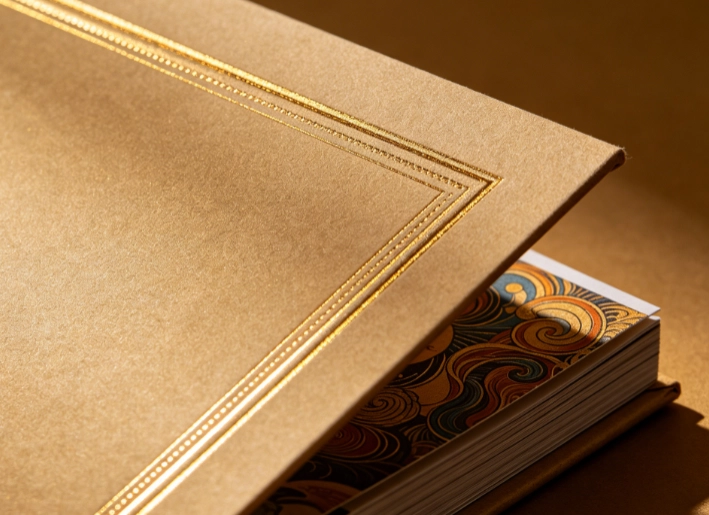
A journal can look expensive long before anyone writes on the first page. The cover texture, logo finish, paper edge, color match, corner feel, and even the way light catches a foil detail all tell buyers whether the product belongs in a premium retail shelf, a corporate gift box, or a low-cost giveaway pile. For B2B buyers, the real question is not only “Which printing technique looks best?” It is also “Which finish fits my budget, material, order size, timeline, and brand position without causing quality trouble later?”
Why Do Premium Journal Finishes Matter So Much for B2B Buyers?
Premium printing is not decoration for decoration’s sake. Finishing helps lift the perceived value of the product, supports the higher retail price and makes a custom journal feel like a chosen gift rather than a generic notebook. As opposed to an uncoated cover which is suitable for office supplies, finished covers can make all the difference when selling to boutique stationery shops, museum shops, schools, corporations as well as anniversary gifting. The finish of the cover is what makes the difference to whether the journal is kept or not.
Foil Stamping Adds Fast Luxury Without Overloading the Design
Foil stamping is perhaps the most obvious method to create a luxurious look to a journal and using gold, silver, rose and even colored foil to stamp a simple logo, a constellation line, a floral mark or a border will instantly transform a cheap-looking journal into a high-end product. It looks amazing on PU, vegan leather, coated paper and some textured papers.
The key is restraint. A small foil logo on the lower corner can look sharper than a full-cover metallic pattern if your audience wants a clean executive style. For a lifestyle journal, a larger foil illustration may be right. Buyers often worry that foil will peel or crack, so you should check the cover material, stamping area, pressure, and sample result before mass production. This is where a controlled custom notebook production process becomes very useful.
Debossing Creates a Quiet, Expensive Feel
Debossing presses a logo or pattern into the cover. It does not shout, but it feels serious. That is why it fits corporate notebooks, private-label planners, hotel stationery, and premium diaries. On soft-touch PU or leather-like material, debossing gives depth when the user touches the cover.
It also avoids some color-matching headaches because the design depends on pressure, not ink color. Still, depth matters. Too shallow, and the logo disappears. Too deep, and the cover may look damaged. A good factory will test pressure based on cover thickness and material softness, not use one setting for every notebook. Simple point, but it saves a lot of bad samples.
UV Printing Delivers Color, Detail, and a Modern Finish
UV printing is useful when your artwork needs sharp color, gradients, small details, or multi-color logos. It gives a cleaner result than many basic ink methods, especially for illustrated covers, event notebooks, school planners, and retail journals with strong visual identity.
For buyers who need consistent artwork across notebook covers, belly bands, boxes, and inserts, UV printing can help keep the whole set more aligned. But the artwork file must be prepared well. Thin lines, low-resolution images, and colors chosen only from a screen can cause trouble. Always confirm real material samples, not just digital mockups.
Which Printing Technique Should You Match With Each Journal Material?
A premium journal is a mix of process and material. The same logo can look totally different on linen, PU, coated paper, or leatherate paper. Labon works with custom notebooks, journals, diaries, planners, and gift sets, and its available cover materials include PU, linen, coated paper, and leatherate paper, while paper options include wood pulp paper, stone paper, coated paper, watercolor paper, and cotton paper.
PU and Vegan Leather Work Well With Foil, Debossing, and Metal Logos
PU and vegan leather are popular because they give a smooth, giftable surface and allow several luxury finishes. Foil stamping looks bright on darker covers. Debossing feels clean and stable. A metal logo can lift the product into a higher gift category, especially for executive notebooks or VIP client gifts.
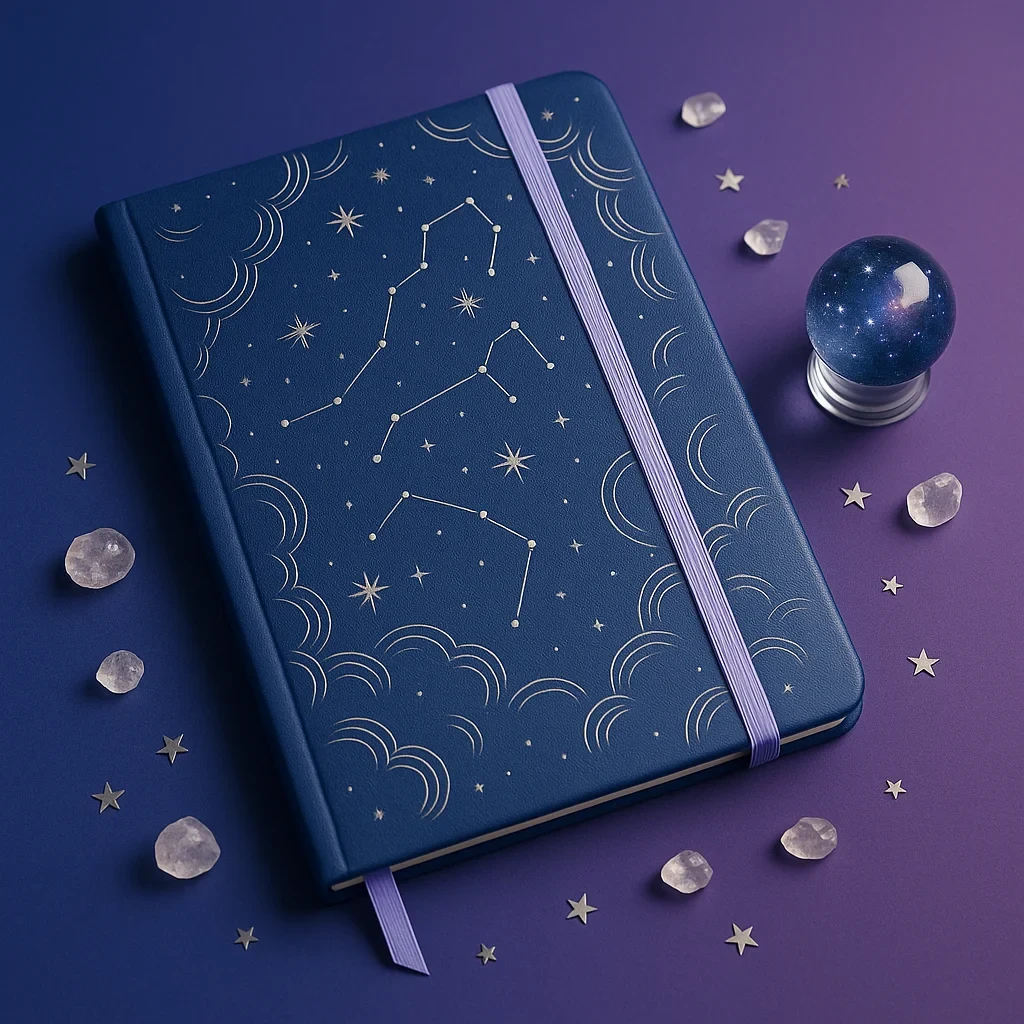
The “Stardust Reverie” Premium Journal is a useful example. It uses eco-friendly vegan leather, silver-foil detailing, a soft lavender elastic closure, a satin ribbon bookmark, rounded corners, and thick ivory paper with minimal bleed-through. The product is around A5 size, which is a practical format for retail, journaling, planning, and gift sets. The silver foil works because it matches the night-sky concept without making the cover feel crowded.
Linen Covers Need Subtle, Tactile Decoration
Linen feels warm and handmade. It is a good choice for boutique journals, cultural gift sets, eco-style stationery, and soft lifestyle planners. But linen has texture, so very tiny artwork may lose detail. Debossing can be softer on linen than on PU. Foil can work, but testing is important because the fabric texture may affect edge sharpness.
For linen, simple logos, woven labels, embroidery, or a small foil title often look better than complex full-cover printing. The point is to let the material speak. Buyers sometimes want too many finishes on one cover. That can make the notebook look busy, and yes, it can also raise cost fast.
Coated Paper Covers Support Rich Color and Retail Shelf Impact
Coated paper is friendly to strong visual design. It can carry illustrated artwork, seasonal colors, museum themes, school designs, or campaign graphics. If your buyer wants many SKUs with different cover art, coated paper often gives more flexibility.
Matte lamination, spot UV, foil, and die-cut windows can be added for a more premium look. For journals sold as gifts, the cover and box should be designed together. Labon offers tailored gift set solutions for souvenir, company anniversary, and museum gift sets, so buyers can match notebook printing with packaging style instead of treating the box as an afterthought.
How Can You Avoid Cheap-Looking Results During Custom Journal Production?
Most printing problems start before production. The artwork is too detailed, the material is not suitable, the buyer skips the sample, or the notebook cover and inner paper do not match the product level. A journal can have a shiny cover and still feel cheap if the paper bleeds, the elastic band feels weak, or the logo position is slightly off.
Start With a Sample Before Large Orders
For custom journals, sample approval is not a delay. It is the cheapest quality check you have. According to the supplied knowledge base, samples can usually be completed in 5 to 7 days, and the common ordering path is sample order first, then bulk order after confirmation.
During sample review, check these items:
- Logo size and position
- Foil brightness and edge clarity
- Debossing depth
- Cover texture and hand feel
- Paper thickness and writing performance
- Elastic band tension
- Ribbon, back pocket, pen loop, or closure details
- Gift box fit, if included
Small checks like these sound boring, but buyers who skip them often pay later.
Choose Inner Paper That Matches the Cover Value
A premium cover needs paper that feels right. If the cover says “luxury” but the pages feel thin or rough, customers notice. Labon’s product range includes conventional wood pulp paper, stone paper, coated paper, watercolor paper, and cotton paper, which gives buyers more room to match the writing purpose.
For office journals, smooth ruled paper may be enough. For creative journals, thicker ivory paper or mixed layouts can feel better. For watercolor or sketch use, paper choice becomes a core product decision, not a small detail.
Ask About Quality Control, Not Only Price
Lower price is not always bad, but unclear quality control is risky. Labon has over 20 years of notebook manufacturing experience, serves customers across many countries, and works with custom branded notebooks, OEM, ODM, stock designs, and bespoke notebook projects. The factory also states that checks run from raw material receipt to final production stages, covering performance, durability, safety, and appearance.
For B2B sourcing, this matters because the same journal may need to pass retail inspection, corporate gift approval, or repeat-order consistency. If your first batch looks great but the second batch changes color, buyers lose trust quickly.
How Can Printing Techniques Support Corporate Gifts and Retail Sales?
Printing should connect with the sales channel. A journal for a company anniversary does not need the same finish as a museum shop journal. A retail astrology journal does not need the same logo placement as a bank client gift. Different channels need different emotional signals, even when the notebook structure is similar.
Corporate Journals Need Clean Branding and Reliable Delivery
For corporate gifts, buyers often want a logo, neutral color, good paper, and decent packaging. Debossing, foil stamping, and metal logos work well here. A5 is usually safe because it feels useful without being bulky. Add a pen loop, ribbon, elastic band, or back pocket if the budget allows.
Labon’s custom branded notebooks can be personalized with company logos, and the factory works with notebooks, journals, diaries, planners, and gift sets. For procurement teams, that one-stop range helps keep materials, packaging, and delivery communication simpler.
Retail Journals Need a Stronger Visual Hook
Retail journals often need more design personality. Foil illustrations, UV color printing, die-cut shapes, textured covers, and themed packaging can help a product stand out. The portfolio includes notebook and journal designs, gift boxes, planner folios, accessories, and decorative cover concepts, which is useful when buyers need ideas before final artwork.
For retail, do not only ask whether a technique looks beautiful. Ask whether it fits your target price, shelf display, and reorder plan. A finish that is too expensive for repeat stock may work for a limited edition, but not for monthly sales.
Gift Sets Need Matching Details From Cover to Box
A premium journal gift set should feel coordinated. Cover foil, ribbon color, box texture, belly band, insert card, and logo placement should belong to the same design family. It does not need to be overly fancy. It just needs to feel intentional.
That is why production planning matters. If the box is designed after the journal is already approved, the color may be close but not quite right. Buyers see that. Recipients might not name the problem, but they feel it.
FAQ
Q1: Which Printing Technique Makes a Custom Journal Look Most Premium?
A: Foil stamping is usually the fastest way to create a premium look, especially on PU, vegan leather, and coated paper covers. For a quieter luxury style, debossing works very well. Many premium journals use both, but the design should stay clean.
Q2: Is UV Printing Better Than Foil Stamping for Journals?
A: UV printing is better for colorful artwork, gradients, illustrations, and detailed graphics. Foil stamping is better for shine, logos, borders, and luxury accents. The best choice depends on your cover material, design style, and target price.
Q3: What Should You Check Before Placing a Bulk Journal Order?
A: You should confirm the sample first. Check logo placement, foil edge, debossing depth, cover color, paper thickness, bleed-through performance, ribbon, elastic band, and packaging fit. A 5 to 7 day sample process can save much more time later.
Q4: Can One Supplier Handle Notebooks and Gift Boxes Together?
A: Yes. Labon offers custom notebooks, journals, diaries, planners, gift sets, and packaging support. This helps B2B buyers keep the journal, box, insert card, and decorative details more consistent.