
What Are the 7 Secret Cost Drivers in Professional Notebook Production?
Handling the money side of made-to-order paper goods production takes more than checking the price label. Many buyers see a completed journal and notice only the sheets and outer layer, but the real expense setup rests on various choices made well before printing begins. For more than 20 years, Labon has run its operations in Yiwu, China, as a focused producer. This plant, which carries FSC and BSCI approvals, oversees a range from anniversary gift sets to museum mementos. With yearly production exceeding 2.3 million journals, they provide a one-stop solution for labels across 52 nations. If you want a basic contact to get a price estimate or a close look at production processes, their knowledge helps align your funds with factory facts.
Beyond the Surface of Custom Stationery Costs
The cost of a journal does not stay constant; rather, it forms a changing formula. When you ask for a price on a large order, the producer reviews key factors that shape the end bill. Often, people spot two journals that look the same but carry a 30% cost difference. This gap comes from the sheet weight, the origin of the outer material, or the detail in the joining method. Supply chain smoothness and picking an approved plant also affect things that do not show up right away on a display.
Raw Material Grade and Paper Density
The main cost ties to the sheet kind, such as wood pulp, stone paper, or special watercolor pages, along with the selected thickness. Higher grades often raise expenses because they offer better strength and feel, which in turn supports the overall quality that buyers expect from professional items.
Cover Material Selection and Texture Complexity
Costs change a lot between basic coated sheets and upscale PU leather, linen, or real bonded leather. Each choice affects not only the price but also the way the product handles daily use, so producers weigh these options carefully to match client needs.
Binding Engineering and Structural Durability
Hard case bindings demand extra work and dedicated equipment compared to easy coil or staple joins. These methods ensure the journal lasts longer under normal handling, which helps justify the added cost for items meant to endure frequent opening and closing.
Customized Interior Page Printing Techniques
Added hues, set grid patterns, or creative drawings extend the time for plate setup and raise printing fees per page. Such details make the inside more useful for specific tasks, like planning or sketching, and thus enhance the value of the final product.
Advanced Finishings and Aesthetic Enhancements
Hand-applied touches, including foil stamping, debossing, elastic closures, or crystal diamond details, introduce key extra steps in making. These features give the journal a standout look that appeals to gift buyers or premium users, even as they push up the total production outlay.
Packaging Integration and Freight Optimization
Fancy gift boxes boost the item’s worth in the eyes of receivers but also alter the full delivery cost through changes in shipment size and mass. Producers often adjust packaging to fit shipping rules, which keeps overall expenses in check while protecting the goods during transport.
Economies of Scale and Production Volume
Big batch sizes cut the per-unit price by dividing the set setup fees of complex tools over many units. This approach works best for brands planning steady orders, as it lowers costs without reducing the care put into each journal.
Strategic Material Selection for Premium Brand Impact
Picking suitable materials involves weighing the image of your label against the true making budget. Seldom does it mean going for the lowest price; instead, it focuses on a setup that holds up well for the final user. Upscale labels pick certain traits to differ in a full market, stressing strength and special surfaces that basic supplies do not have.
Crystal Diamond Hardcover Notebook for Luxury Gifting
The Crystal Diamond Hardcover Notebook has a firm build and fine touches that suit memory items or top retail spots. Its design stands out for special occasions, where the shine and solid feel make it a favored choice among gift seekers.
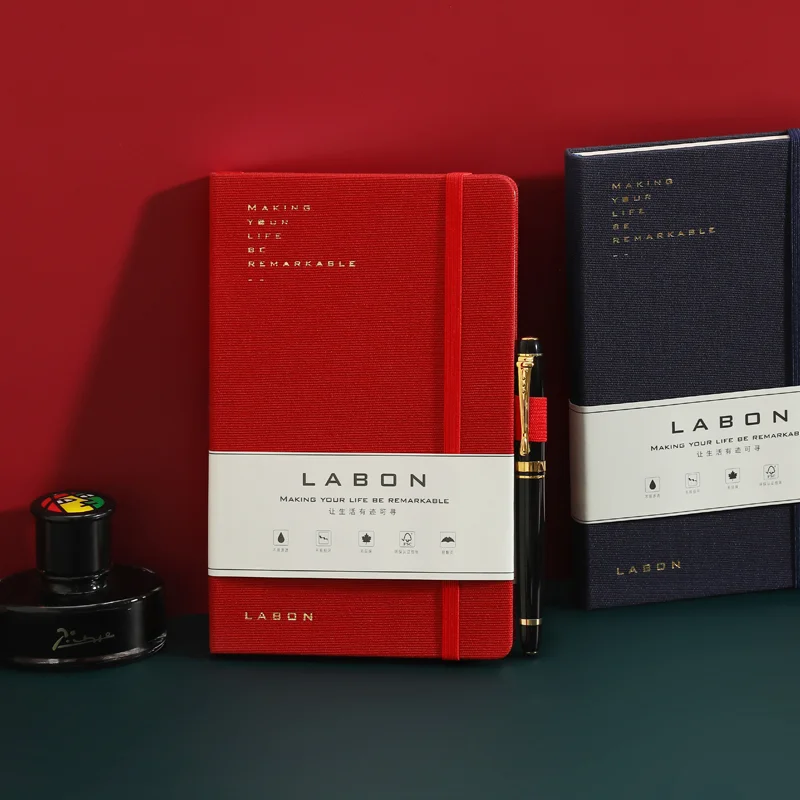
Labon Softcover PU Notebook for Ergonomic Versatility
The Labon Softcover PU Notebook uses bendable, quality fake leather to deliver a light but solid note-taking setup. This makes it practical for everyday carry, as the material resists wear while keeping the notebook easy to handle in various settings.
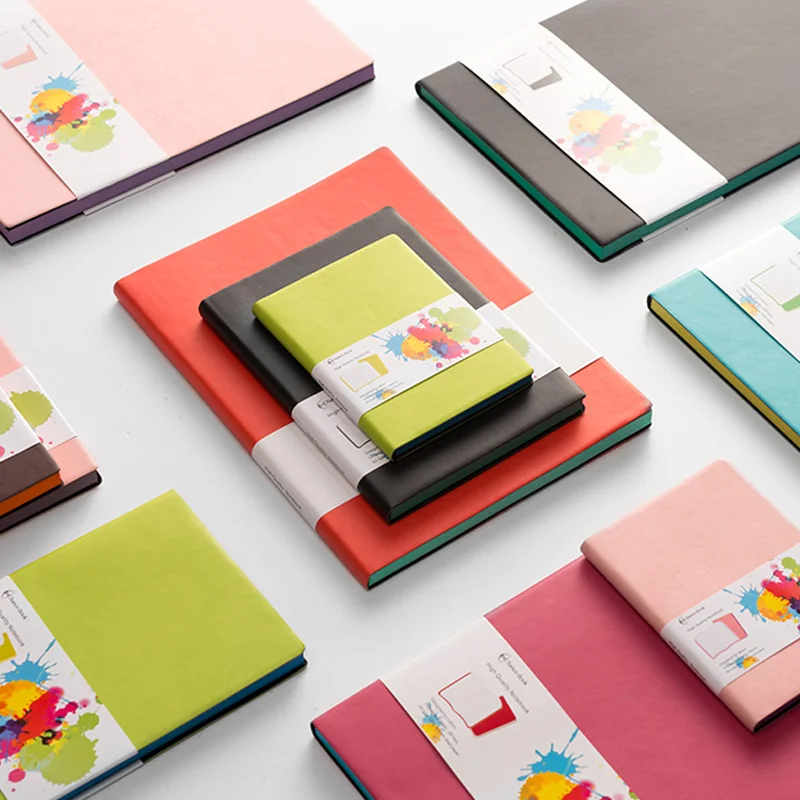
Navigating the Production Process with Industrial Precision
A smooth plant setup offers the top method to manage costs without skimping on standards. When a producer manages all steps inside, from planning to last assembly, the chance of slip-ups falls. Errors during printing or weak adhesive use can cause whole lots to fail checks, creating a cost that no order placer wishes to face.
Integrated Automated Production Efficiency
Modern tools and two decades of skill enable large yearly volumes while upholding steady quality levels. This setup cuts down on waste and speeds up output, so brands receive reliable results from their investments in custom work.
Stringent Quality Control Protocols
Careful reviews from incoming materials to the end of making confirm that each part follows safety and lasting rules. Such steps prevent defects from reaching customers, which in turn builds trust in the producer’s ability to deliver consistent goods.
Eco-friendly Manufacturing Compliance Standards
Following FSC, BSCI, and REACH rules makes sure the items suit worldwide sales and respect the environment. This commitment not only meets legal needs but also attracts buyers who value green practices in their supply choices.
Why Global Brands Choose Labon for Custom Stationery Solutions
Teaming with a producer that holds 20 years in shipping abroad means they handle worldwide movement and fund systems well. For small labels or big firms, a helper that backs OEM and ODM work gives the room to grow as needed.
Comprehensive Professional Design Support
Skilled groups help turn early ideas into detailed plans for journals, planners, and special gift packages. Their input ensures that designs fit production limits while meeting the unique goals of each client project.
Proven Track Record in Global Export
Strong ties with names like Archer and Olive and Freedom Mastery show a solid grasp of the high-end world market. These links prove the factory’s skill in meeting diverse needs across borders, which supports long-term business success.
Seamless Order Execution and Logistics Management
An even flow yields quality tests in 5 to 7 days, backed by worldwide fund choices in key moneys. This quick turnaround helps clients plan better, as reliable timing keeps their own schedules on track without delays.
FAQ
Q1: What is the typical lead time for a custom notebook sample?
A: You can usually expect a high-quality sample to be finished within 5 to 7 days.
Q2: Does the factory hold international environmental certifications?
A: Yes, the facility is both FSC and BSCI certified, ensuring sustainable and ethical production.
Q3: Can I customize the interior pages with my own layout?
A: Absolutely, you can choose from various paper types and custom printing options to meet your specific needs.
Q4: What payment methods are accepted for international orders?
A: Global customers can pay via TT or Paypal, with accounts available in Europe, Hong Kong, and the US for convenience.
Q5: What happens if there is a quality issue with the final order?
A: After-sales policies include compensation for faulty products or other solutions based on the specific situation.