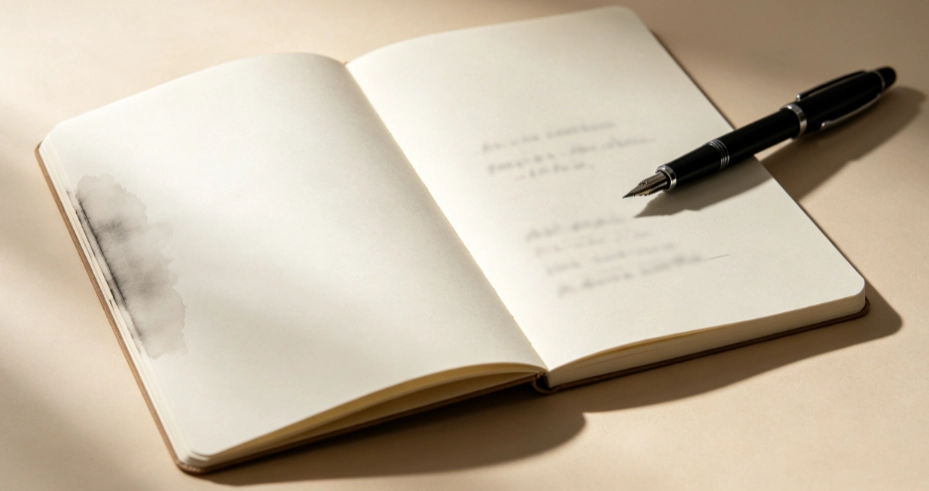
Ghosting and bleed-through look like small paper problems, but for notebook buyers, they can turn into bigger issues: poor user reviews, weak repeat orders, returned stock, and brand complaints from customers who use gel pens, markers, fountain pens, or heavy ink. A notebook may have a nice cover and good packaging, yet the writing experience still decides whether people keep using it.
For brands, gift companies, museums, schools, and corporate buyers, the best solution is not only choosing “thicker paper.” It is choosing the right paper, binding, cover, sampling process, and production partner from the start. Labon has more than 20 years of notebook manufacturing experience in Yiwu, China, with custom branded notebooks, journals, diaries, planners, and gift sets for global buyers. Its factory background, paper options, OEM/ODM service, and quality control process make it a practical choice when you want notebooks that feel good, write cleanly, and carry your brand well.
Why Do Ghosting and Bleed-through Happen in Notebooks?
Ghosting means the writing shadow shows through the back of the page. Bleed-through means ink passes through the paper and marks the next page. Buyers often mix these two problems together, but they are not exactly the same. One is mainly about show-through. The other is about ink control.
Paper Weight Is Only One Part of the Answer
Many buyers ask for 100gsm or 120gsm paper at once. That can help, but it is not the whole answer. Paper fiber, surface treatment, smoothness, ink absorption, and opacity all matter. A 100gsm paper with poor ink control may perform worse than a better 80gsm or 90gsm sheet.
For daily office notebooks, 80gsm to 100gsm paper is often a safe range. For bullet journals, fountain pen users, premium planners, or art-style notebooks, buyers should test heavier or specialty paper. Labon’s available paper types include conventional wood pulp paper, stone paper, coated paper, watercolor paper, and cotton paper, so you can match the paper to the real writing use instead of buying by thickness only.
Ink Type Changes the Result
A ballpoint pen is easy on most paper. A wet gel pen, brush pen, or fountain pen is different. Corporate gift notebooks may be used with hotel pens, office pens, or fountain pens from senior clients. Museum gift sets may be bought by people who sketch, stamp, or write travel notes. That is why one test with one pen is not enough.
A simple buyer test can include:
- Ballpoint pen for daily writing
- Gel pen for common office use
- Fountain pen for premium users
- Marker or highlighter for planner buyers
- Stamp ink for museum or gift shop products
Small detail, but it saves a lot of awkward feedback later.
How Should You Choose Paper for a Better Writing Experience?
The right notebook paper should not only reduce ink problems. It should also feel smooth, turn cleanly, stay flat enough, and fit your retail price point. A premium notebook that feels too stiff may not be loved. A low-cost notebook that bleeds badly will not help your brand either.
Match Paper to the Notebook’s Real Use
For business meetings, training events, and employee welcome kits, a clean wood pulp paper can work well. For sketching or creative gift sets, watercolor paper or cotton paper may be worth testing. For eco-focused campaigns, stone paper or other special paper can give the product a clearer story.
If your project is a branded notebook for office use, paper should support fast writing and neat page turning. If the notebook is for retail, users may spend more time judging the first page, the first pen stroke, and the way the paper feels under hand. That sounds picky, but notebook buyers are picky, and usually for good reasons.
Test Smoothness, Opacity, and Ink Drying
A better sheet should balance three things. First, the surface must be smooth enough for comfortable writing. Second, the paper should have enough opacity to reduce shadows. Third, ink should dry at a reasonable speed, especially for left-handed users and fast note takers.
Labon’s production process shows that custom notebook work can start from notebook size, materials, internal pages, cover customization, and small touches. For ghosting and bleed-through control, the internal page stage is where you should spend extra attention before moving to cover design.
Why Is the Classic Hardcover PU Notebook a Safe Custom Choice?
Not every notebook project needs a very complex structure. Many B2B buyers want a reliable hardcover notebook that looks professional, protects pages well, and fits corporate gifts, office supplies, event giveaways, and retail stationery. In that case, a PU hardcover notebook is often a sensible base.
PU Covers Give a Premium Look Without Overcomplicating the Order
The Classic Hardcover PU Notebook is suitable when you need a clean, business-friendly notebook with a stable cover feel. PU cover material is widely used because it can look neat, support logo branding, and keep the notebook presentable during shipping, storage, and daily use.
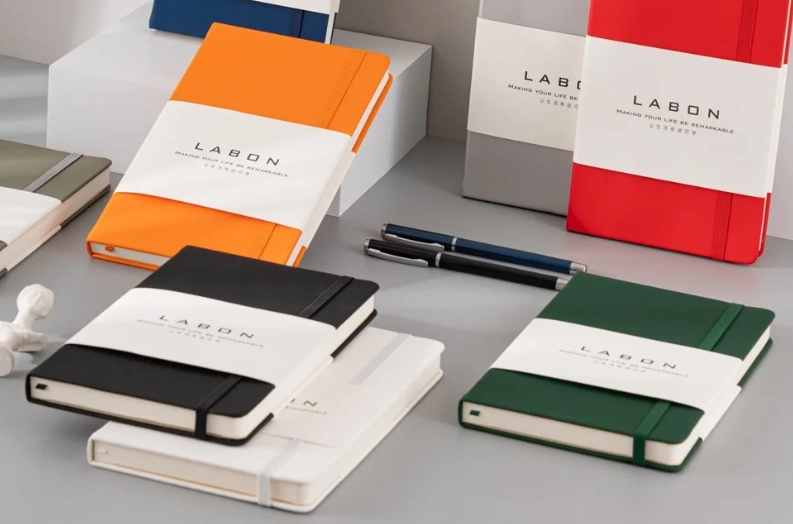
Labon’s cover material options include PU, linen, coated paper, and leatherate paper. PU is a good middle choice for many projects because it feels more polished than basic paper cover styles, but it is still practical for bulk custom orders.
Hardcover Structure Helps Protect Better Paper
When you choose better paper to reduce ghosting and bleed-through, the cover and binding should also support that paper. A hardcover notebook protects the inner pages better in bags, office drawers, conference rooms, and retail shelves. For buyers ordering notebooks as company gifts, this matters because the notebook often represents the brand before anyone writes the first word.
Useful customization options may include debossing, foil stamping, UV printing, metal logo, elastic band, ribbon, back pocket, pen loop, or magnetic clasp. Not every project needs all of these. Actually, too many details can make a notebook feel busy. A clean logo, good paper, and neat binding often do the job better.
How Can Sampling Prevent Costly Bulk Order Mistakes?
For notebook buyers, the sample stage is where paper problems should be found. It is cheaper to adjust paper, binding, or page layout before production than to explain bad reviews after delivery.
Test a Real Sample Before Mass Production
Labon supports fast samples, usually within 5–7 days, which is useful when buyers have launch dates, trade shows, school seasons, or company events coming soon. A sample order first, then a larger order after confirmation, is also a more stable buying path.
During sample review, do not only check the logo. Check these points:
- Back-page shadow after gel pen writing
- Ink marks on the next sheet
- Page curl after heavy ink
- Binding strength after repeated opening
- Cover alignment and corner finish
- Color difference between approved design and sample
- Packaging fit, especially for gift sets
A notebook can pass a quick desk check but fail real use. Write on at least 5 to 10 pages, use different pens, and leave ink to dry before judging.
Use OEM and ODM Support to Reduce Guesswork
Some buyers already have full artwork and specifications. Others only have a target market, a budget, and a rough design direction. Labon supports custom, OEM, ODM, and stock design options, so you can choose a route that fits your project stage.
For example, a corporate buyer may need a simple logo notebook with better paper and a gift box. A museum shop may need a themed notebook set with packaging that matches an exhibition. A school supplier may need cost control, clean ruled pages, and stable repeat production. Different orders need different paper decisions.
What Should B2B Buyers Ask Before Ordering Custom Notebooks?
A good inquiry saves time. It also helps the factory recommend paper and structure that match your actual users. Vague requests like “best notebook” or “no bleed paper” can lead to slow back-and-forth. Clear specs help much more.
Share Use Case, Pen Type, and Price Range
Before sending an inquiry, prepare the notebook size, page count, paper type or target gsm, cover material, binding type, logo process, packaging method, quantity, market, and expected delivery time. Also share the pens your users may use. This one detail can change the paper recommendation.
If you sell to premium stationery users, say that. If the notebook is mainly for hotel rooms, onboarding kits, or trade show giveaways, say that too. The factory does not need a long essay, just the real buying context.
Check Quality Control and After-sales Support
Labon states that its quality control covers checks from raw materials to final production, including performance, durability, safety, and appearance. The company also lists FSC, BSCI, and REACH certifications in its company materials, which can help buyers that need responsible sourcing and compliance support.
For projects involving corporate gifting, anniversary gifts, souvenir notebooks, or cultural retail products, Labon also provides gift set solutions for company anniversary, souvenir, and museum use. That can be useful when the notebook is not sold alone, but packed with pens, cards, boxes, or themed items.
How Can You Build a Notebook Line That Avoids Writing Complaints?
Solving ghosting and bleed-through is not about chasing one “magic” paper. It is about building the product around the end user’s writing habits. Better paper, proper surface feel, suitable cover material, realistic sample tests, and stable production checks all work together.
Start With a Practical Specification
For most B2B custom notebooks, a safe brief can include A5 size, 80gsm to 100gsm quality paper for daily use, PU hardcover, elastic band, ribbon marker, back pocket, and logo debossing or foil stamping. For more demanding users, test thicker paper or specialty paper.
The About Us page shows Labon’s focus on custom and off-the-shelf notebook solutions, long-term service, and strict quality control. This matters because buyers do not only need nice samples. They need repeatable production when the second and third orders come.
Send a Clear Inquiry Before Locking Specs
If your current notebook has ghosting, bleed-through, weak binding, poor cover alignment, or mixed user reviews, send the failed sample details together with your new request. Clear photos, paper gsm, pen type, order quantity, and market feedback will help the next version improve faster.
To start a custom notebook project, you can contact Labon with your target notebook size, paper needs, cover style, logo method, quantity, packaging plan, and delivery schedule. Good notebooks are not hard to make, but good notebooks need the right decisions before production starts.
FAQ
Q1: What Paper Weight Helps Reduce Ghosting and Bleed-through in Custom Notebooks?
A: For common office writing, 80gsm to 100gsm quality paper is often a good starting range. For fountain pens, brush pens, or premium journals, you should test heavier or specialty paper before bulk ordering.
Q2: Can a PU Hardcover Notebook Work for Corporate Gifts?
A: Yes. A PU hardcover notebook gives a clean business look, protects the pages better than many softcover styles, and supports logo methods such as debossing, foil stamping, UV printing, or metal logo.
Q3: Should You Test a Sample Before Placing a Large Notebook Order?
A: Yes. A sample helps you check paper performance, writing feel, cover alignment, binding strength, logo effect, and packaging fit. Labon commonly supports sample-first ordering before larger production.
Q4: Which Pen Types Should Be Used During Notebook Paper Testing?
A: Test ballpoint pens, gel pens, fountain pens, markers, and highlighters if your users may use them. Different ink types can create very different ghosting and bleed-through results.
Q5: Why Choose Labon for Custom Notebooks With Better Writing Quality?
A: Labon has more than 20 years of notebook manufacturing experience, custom notebook and gift set services, multiple paper and cover options, OEM/ODM support, fast sampling, and quality checks from raw materials to final production.