
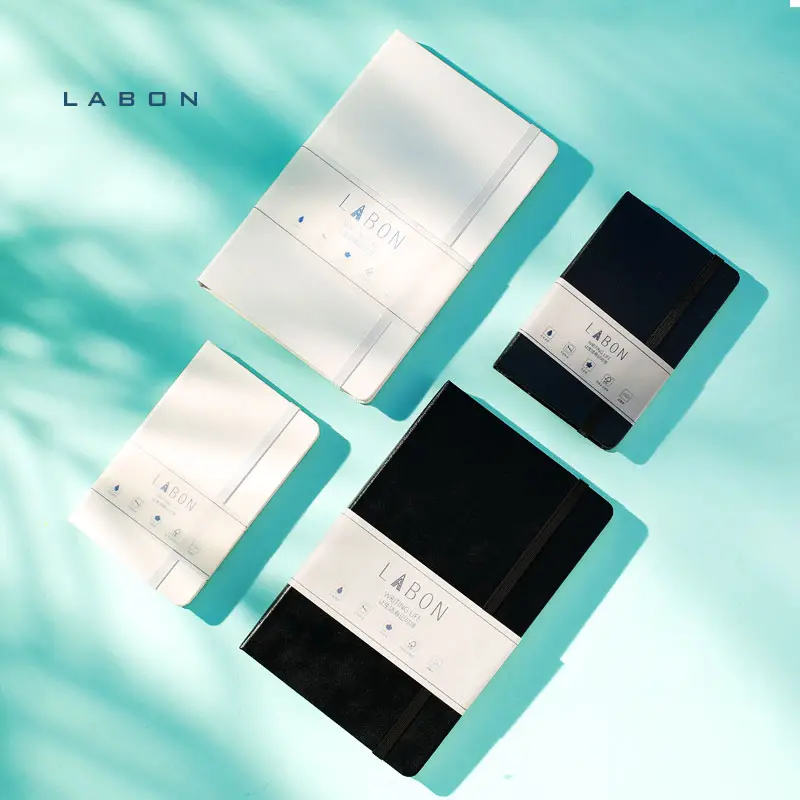
Choosing a notebook size sounds simple, but once you begin comparing A4, A5, A6, or even the less talked-about B6, the choice suddenly feels bigger than expected. People don’t buy notebooks for the same reasons. Some like a book they can lay flat on a desk, others want something tiny that slips in a pocket without a second thought. And for companies or brands sourcing custom notebooks, size often affects printing, binding, packaging, and even shipping costs.
At Labon Stationery, a manufacturer with over twenty years in the notebook business, this topic comes up almost every day. Different customers from Europe, the U.S., and Southeast Asia tend to have different habits. Some write long notes, others prefer quick phrases. So before saying “A6 is good enough,” it helps to slow down and look at what the sizes actually mean.
What Defines a Notebook Size in Modern Use?
Notebook sizes mostly follow the A-series system, which is used almost everywhere. If someone says “A5,” most buyers have a rough idea of how big it is. A6, though smaller, has gained attention because people now carry lighter bags and want something simple.
But size isn’t just a number. It also connects to how a notebook fits into someone’s day.
Standard Size Systems and Global Paper Formats
The A-series is built around one idea: each smaller number is half the size of the bigger one. So A6 is half of A5. And A5 is half of A4. Because the proportions stay the same, designers can scale artwork without much trouble. For global buyers—especially in Labon’s main markets—this consistency matters. They want notebooks that match worldwide standards because customers recognize them.
Labon’s Core Sizes Across Office and Gift Notebooks
Labon produces A4, A5, A6, B5, and a range of custom sizes. Their catalog includes hardcover notebooks, softcover notebooks, coil notebooks, diaries, planners, and gift-box sets.
Working with brands like Archer & Olive or Freedom Mastery means they deal with customers who want exact details—page count, texture, stiffness, or flexibility. A6 is frequently requested for travel-style notebooks or compact journals.
Material Choices That Influence How a Size Performs
Material changes the feel of a notebook. Labon uses PU, linen, coated paper, leatherette paper, wood-pulp paper, stone paper, cotton paper, and more.
A6 notebooks often use lighter covers since their users value portability. A very thick cover can make the notebook feel heavier than expected, which doesn’t fit what most A6 buyers want.
Why Do Users Prefer A6 for Daily Carry and Business Travel?
A6 notebooks are small, but they tend to be surprisingly useful. They tuck into handbags, backpacks, or even the inside pocket of a jacket. People who move around a lot—sales teams, students, travelers, and field technicians—often need something that’s there when a phone or laptop isn’t convenient.
So what makes A6 stand out?
Portability and One-Hand Convenience
The biggest advantage is simple: A6 fits almost anywhere. You can hold it in one hand, even while walking. When someone needs to note a quick price, a phone number, or a thought that pops up at the wrong time, an A6 notebook is much faster than opening an app.
Practical Writing Space for Short Notes and Quick Tasks
A6 isn’t meant for long reports. It is meant for short writing—lists, reminders, short sketches, meeting points. And interestingly, many people still trust paper for these quick tasks. There’s something about handwriting that helps with memory, even if the pages are small.
Lightweight Options in PU, Linen, and Coated Paper Covers
Soft PU covers or linen-textured covers work well for A6 notebooks. Labon produces these materials often because customers like lightweight designs for small notebooks.
A6 is also popular in gift boxes since it complements pens, bookmarks, stickers, and other small stationery items.
How Does A6 Compare With A5 and B6 in Functionality?
A6 is useful, but it’s not a perfect match for everyone. A5 remains the most commonly used size for structured writing. B6 sits in between. Comparing the three helps buyers understand which one fits their customers better.
Writing Area Differences for Office, Study, and Journaling
A5 has plenty of room. Students and office workers often prefer it. B6 has a softer, more relaxed feel. A6 is compact and ideal for short writing sessions. Brands often offer more than one size because writing habits differ from person to person.
Durability and Binding Choices in Hard and Soft Covers
Bigger notebooks often need hardcover designs because people use them on desks or in meetings. A6 notebooks, however, lean toward soft covers because the smaller size doesn’t require as much structure. Labon provides both hardcover and softcover options, along with sewing, glue binding, and spiral binding.
Matching Each Size to Its Best Use Case
- A6: quick notes, travel, pocket journals, giveaways
- B6: creative journaling, casual daily notes
- A5: planning, studying, office writing
Each size shines in a different situation. The trick is matching the notebook to the user rather than treating all sizes the same.
What Should Buyers Consider When Ordering A6 From a Notebook Manufacturer?
For buyers placing bulk orders, the size is only the first step. Custom details, certifications, lead time, and payment choices matter too. Labon’s experience in OEM and ODM makes these discussions smoother because they have worked with both big brands and small start-ups.

Customization Options Including PU, Linen, and Gift Sets
Buyers can customize almost everything—cover material, paper type, color edges, pockets, elastic bands, bookmarks, and box design.
A6 notebooks often appear in corporate gift sets and museum collections because the size feels refined yet small enough to pack easily.
Compliance and Eco-Friendly Choices From an FSC and BSCI Factory
Labon holds FSC, BSCI, and REACH certifications, which many European and American buyers look for when sourcing notebooks.
The company also offers eco-friendly options for brands focusing on sustainable products.
Sampling, Lead Time, and Global Payment Convenience
Samples usually take around five to seven days. Labon accepts TT and PayPal, and they provide overseas accounts in Europe, Hong Kong, and the U.S. for easier transfers.
A6 notebooks often move faster through production because they use less material and pack neatly in shipping cartons.
How Can Businesses Use A6 Notebooks for Branding and Gifts?
A6 notebooks make simple but long-lasting branded items. People keep notebooks longer than flyers, which helps companies stay visible. Also, the small size feels friendly—it doesn’t look like a loud advertisement.
Corporate and Event Gift Sets for Anniversaries and Promotions
Labon creates branded gift sets for corporate anniversaries, staff events, and business partners. A6 notebooks fit nicely inside these sets and pair well with pens or other small stationery pieces.
Portable Journals for Retail Brands and Museum Shops
Tourists often prefer small items. That’s why A6 notebooks sell well in museum stores and travel shops. The size works well with artistic covers, maps, or themed illustrations.
OEM and ODM Solutions That Reduce Time and Design Work
Some buyers already have a design idea. Others don’t. Labon handles both OEM and ODM needs, giving buyers templates or helping them shape new designs. This approach keeps development time shorter.
FAQs
Q1: Is A6 a good notebook size for corporate gifting?
A: Yes. A6 notebooks look neat in gift boxes and don’t take much space, which makes them suitable for company events and branded giveaways.
Q2: Can A6 notebooks be customized with premium materials?
A: Yes. PU, linen, leatherette, coated paper, and eco materials are all available, along with options like embossing, foil stamping, or elastic bands.
Q3: What is the typical production time for custom A6 notebooks?
A: Samples take around one week. Bulk production time depends on quantity and design, but A6 tends to have faster turnaround because of its compact size.