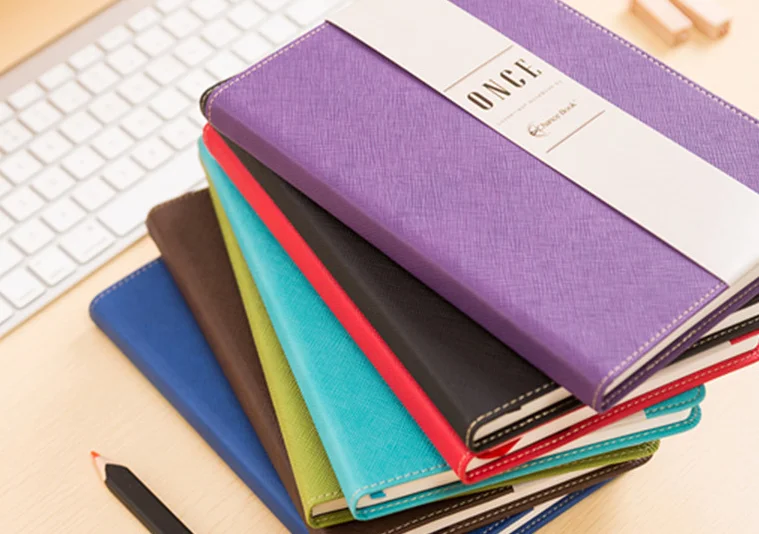
A premium notebook does not build trust only through a logo. Trust starts when the cover feels steady, the paper takes ink cleanly, the binding opens well, and the whole product looks like it belongs to your brand. For business buyers, this is not a small detail. A notebook may be used in meetings, retail counters, training rooms, hotel welcome kits, museum shops, school programs, and corporate gift packs. Each touch tells the user something about your standards.
Labon has worked in notebook manufacturing since 2003 and is based in Yiwu, Zhejiang, a major small-commodity hub. The company makes paper notebooks, office notebooks, student notebooks, diaries, planners, boxes, and gift sets, with export experience in Europe, the Americas, Southeast Asia, and other markets. For buyers, the useful point is simple: a notebook should not only look good online. It should feel right in hand, survive daily use, and make the customer feel that the brand behind it pays attention.
Why Does Touch Matter So Much in a Premium Notebook?
Touch is often the first quality signal. Before a user reads a printed message or checks the logo, the hand already feels weight, texture, edge finish, paper stiffness, and cover comfort. A cheap cover can make a good design feel flat. A smooth cover, clean corner, and firm spine can make a simple notebook feel more valuable.
Material Texture Gives the First Quality Signal
Cover material changes the first reaction. PU can give a neat business feel. Linen feels warmer and more natural. Coated paper works well for bright printed artwork. Leatherate paper can create a smart look while keeping the cost practical. Labon’s knowledge base lists PU, linen, coated paper, leatherate paper, and other cover options, which gives you room to match material with audience and budget.
If your notebook is for a corporate seminar, a dark PU cover with debossing may feel steady. For a retail journal line, linen with soft color can feel more personal. For a museum gift, coated paper may carry detailed artwork better. None of this is fancy theory. Buyers often notice these things when they compare samples on a desk.
Paper Feel Affects Writing Confidence
Paper quality is where trust becomes practical. A notebook can have a great cover, but if ink bleeds, pages feel too thin, or the surface scratches under a pen, the user quickly loses confidence. Labon offers paper types such as conventional wood pulp paper, stone paper, coated paper, watercolor paper, and cotton paper. These choices matter because different uses need different paper behavior.
Ruled office pages need clean writing flow. Dotted pages suit planning and bullet journaling. Blank pages may work better for sketching or creative notes. Watercolor paper can support more artistic use. Cotton paper can feel more premium for special collections. The right paper is not always the most expensive one. It is the one that fits the product’s real use.
How Can Design Details Turn a Notebook into a Trust Signal?
A notebook is a small object, but it has many parts. Size, corners, cover craft, page layout, end paper, ribbon, elastic band, pen loop, and back pocket all send signals. When these details match, the notebook feels finished. When they do not, the user may not complain, but the product feels slightly off.
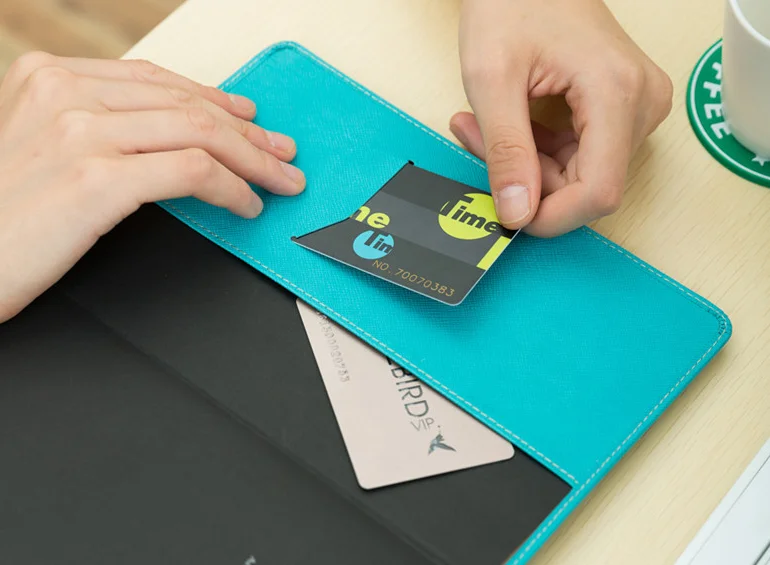
Before choosing a design, you should decide what the notebook must do. Is it for daily office notes, event giveaways, retail sales, training, client gifts, or cultural souvenirs? That answer should guide every choice. The same A5 notebook can feel corporate, playful, eco-minded, or luxurious depending on its material and finish.
Size and Structure Should Fit Real Use
A5 is common because it is easy to carry and gives enough writing space. A6 works for quick notes, travel gifts, and compact retail items. A4 is better for training or technical notes, but it is less convenient for daily carry. Labon’s production process covers notebook size, material type, inner pages, cover customization, and small touches, which helps you shape the product step by step.
Binding also affects trust. A hardcover notebook feels more formal and durable. A softcover notebook feels lighter and easier to pack. Coil notebooks can lie flat, which is useful for classrooms and workstations. Diaries and planners need a structure that supports repeated daily use. It sounds basic, but buyers sometimes pick a style only because it looks nice. Later, the user finds it does not fit the job.
Cover Craft Should Match the Brand Tone
Logo craft can be quiet or bold. Debossing presses the logo into the cover, giving a clean and tactile mark. Foil adds shine and works well for anniversary gifts or premium retail collections. UV printing can carry sharp color. Screen printing suits clear, simple artwork. Embroidery adds texture. A metal logo can feel more formal, though it may not fit every budget.
The safest rule is this: do not choose a craft only because it looks expensive. Choose it because it fits your brand tone and the user group. A young creative stationery line may not need a metal logo. A business gift set may look better with a modest debossed mark and a neat elastic band. Small choices create the full feeling.
What Role Does Customization Play in Building Buyer Confidence?
Customization helps you avoid a generic product. It also helps you check whether the supplier can handle details. A notebook order is not only about a cover logo. It may include paper color, paper weight, page count, page type, printed inserts, end paper, edge color, corner shape, closure, and packaging. More choices are good, but only when they are managed clearly.
A helpful supplier should make the choices easier, not more confusing. Labon supports custom orders, OEM, ODM, customer design use, stock design use, and sample-first ordering. This is useful for both new buyers and mature brands because the order can start simple, then grow into deeper custom work after the first sample is approved.
The Notebook Builder Makes Options Easier to Compare
The notebook-builder helps you review options such as hardcover, flexi-cover, softcover, ringbound, A6, A5, A4, page count, cover type, cover material, foil logo, debossed logo, UV printing, screen printing, paper color, paper weight, page type, elastic band, ribbon, belly band, business card pocket, back pocket, pen loop, perforation, and more.
This kind of tool is useful because notebook decisions can become messy fast. A buyer may start with “custom notebook” and then need to decide 128 pages or 192 pages, white paper or ivory paper, dotted pages or ruled pages, foil or debossing. A visual and option-based process helps reduce guesswork before the quotation stage.
Samples Protect the Bulk Order
Labon’s knowledge base and website mention fast sample support, with samples usually completed in 5 to 7 days. This is important because touch cannot be approved only through a digital mockup. A sample lets you check cover feel, paper smoothness, logo depth, color match, corner shape, binding, and packaging fit.
For bulk orders, sample approval is a serious step. It can prevent the wrong paper thickness, weak elastic band, poor foil color, loose box insert, or a logo that feels too large. It is better to catch these problems early than explain them after 5,000 pieces arrive at a warehouse.
How Does Production Control Support Long-Term Trust?
Customer trust does not stop at the first sample. The real test is whether the approved quality stays steady across production. For B2B buyers, this is often the biggest concern. A sample can look good, but the bulk order must match it. The color should not shift too far. The corners should stay clean. The pages should stay even. The box should close properly.
Labon states that it follows strict quality control from raw material receipt to final production. The company also holds FSC, BSCI, and REACH certifications according to its knowledge base. These details matter when your notebook is sold in retail channels, used by corporate teams, or shipped to markets with tighter sourcing checks.
Certifications Help with Buyer Review
FSC relates to responsible paper sourcing. BSCI is often checked by buyers who care about social compliance. REACH can matter when products enter markets with chemical safety expectations. For a notebook buyer, these certificates do not replace product testing, but they can make internal approval easier.
If your customer asks about sustainable materials or compliance, having supplier documents ready saves time. Labon’s long export background and global sales network also help when orders go to Europe, the United States, or multi-market distribution.
Quality Checks Reduce Small but Costly Problems
Notebook defects are often small, but they can still hurt trust. A crooked logo. A loose page. A cover scratch. A box corner dent. A ribbon cut too short. A pen loop placed too tight. These are not dramatic problems, but they make a premium notebook feel ordinary.
That is why quality checks should cover materials, printing, binding, accessories, packaging, and final packing. Labon’s about us page highlights checks from raw materials to final production, with attention to performance, durability, safety, and appearance. For buyers, this means fewer surprises and fewer awkward messages from end customers.
How Should You Choose a Premium Notebook Supplier?
A good supplier should help you make practical choices. Not every project needs the thickest paper, the heaviest cover, or the most expensive finish. Some projects need a balanced cost. Some need a luxury feel. Some need fast sampling. Some need stable repeat orders. The right supplier can tell you where money should be spent and where it can be saved.
Labon produces about 2,320,000 notebooks yearly and has served customers in 52 countries, according to its website content. The company also offers custom notebooks, journals, diaries, planners, gift sets, boxes, and related paper products. This range gives buyers more flexibility when one project grows into a full stationery line.
Match Product Level with Customer Expectation
If the notebook is used as a low-cost event handout, a simple softcover design may be enough. If it is part of a VIP gift box, a hardcover notebook with better paper and refined logo craft makes more sense. If it is for retail, packaging and shelf appeal matter more. If it is for staff onboarding, daily usability may be the top point.
The main mistake is ordering a notebook that is too cheap for the audience or too fancy for the purpose. Both can waste money. A practical brief should include market, quantity, size, page count, cover material, logo craft, paper type, packaging, deadline, and shipping needs.
Start with a Clear Enquiry
A clear enquiry helps the supplier respond faster. You can include quantity, target budget, event date, artwork file, paper preference, cover style, logo process, page type, and packing method. If you are not sure, you can ask for two or three options instead of one fixed design. That gives you room to compare.
For a first custom project, you can send basic needs through the contact page and ask for sample advice. For a more advanced project, start with the notebook-builder, shortlist the structure, then request pricing and sample timing. This keeps the process tidy, and honestly, tidy matters when the deadline is close.
FAQ
Q1: How Does Touch Affect Customer Trust in a Premium Notebook?
A: Touch gives the first quality signal. Cover texture, paper smoothness, binding strength, and accessory feel all tell the user whether the product is made with care.
Q2: What Materials Can Be Used for a Custom Premium Notebook?
A: Common options include PU, linen, coated paper, leatherate paper, bonded leather, faux leather, silk-touch material, vegan leather, and cloth, depending on the look and budget.
Q3: Why Should You Check a Sample before Bulk Production?
A: A sample lets you test paper feel, logo craft, cover texture, binding, color, packaging, and small details before placing a large order.
Q4: What Can the Notebook Builder Help You Choose?
A: The notebook-builder can help you review notebook style, size, page count, cover type, logo craft, paper color, paper weight, page type, elastic band, ribbon, pocket, pen loop, and other options.
Q5: Why Choose Labon for Premium Custom Notebooks?
A: Labon has more than 20 years of manufacturing experience, exports to many global markets, supports OEM and ODM orders, offers fast sampling, and provides strict quality control for custom notebooks, journals, planners, boxes, and gift sets.