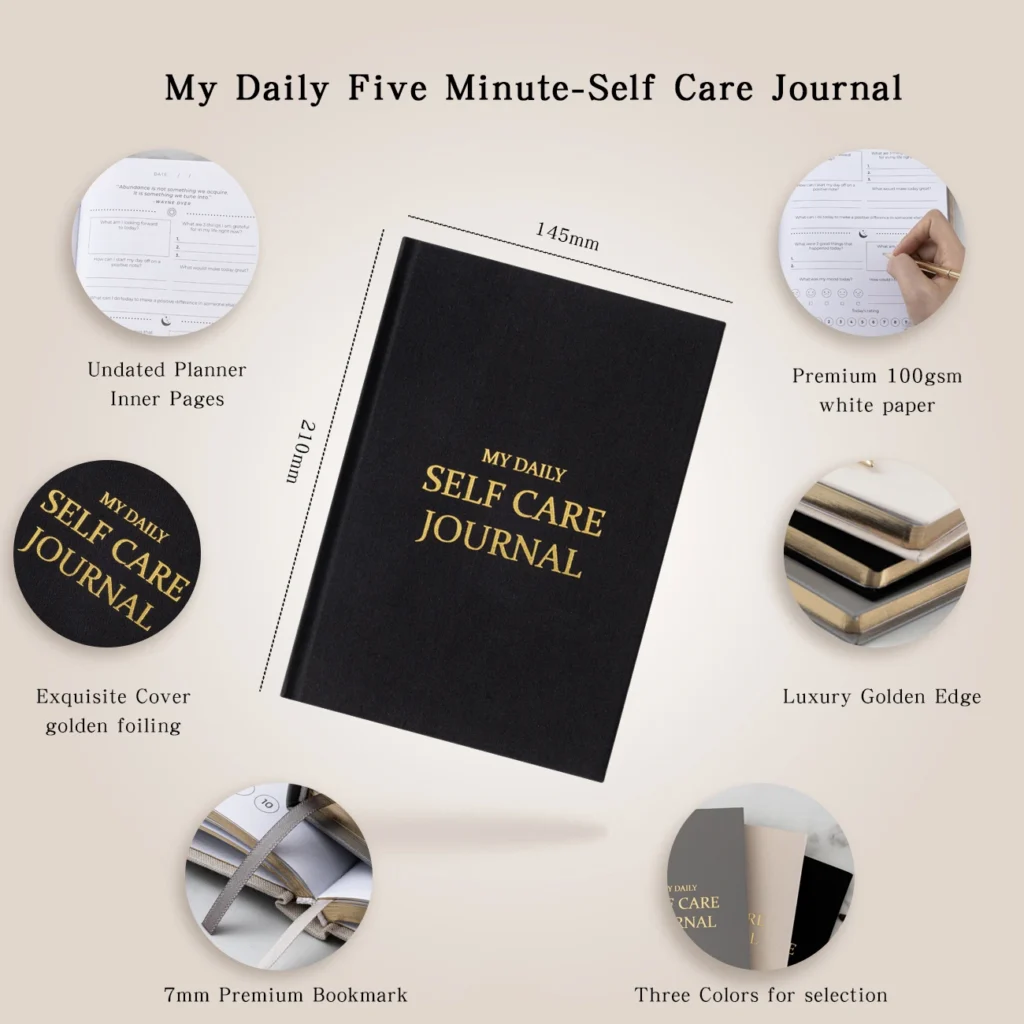
The pages of a notebook inside usually decide if it turns into your main spot for scribbling thoughts, drawing out plans, or noting down daily stuff. Strong inner pages hold back ink from leaking through, give a sleek spot for writing, and last a good while, which really affects how much you get done and how happy you feel with it. Things like the kind of paper, its weight, and the layout all help turn a simple notebook into something special.
Labon is a maker with more than twenty years under its belt. Started back in 2003 in Yiwu, Zhejiang Province, this firm focuses on made-to-order notebooks, journals, diaries, planners, and gift packages, reaching clients in 52 nations, mostly in Europe and the United States. They carry FSC, BSCI, and REACH stamps, which mean they stick to green methods and tight checks on quality from start to finish with raw stuff. Their output hits over 2.3 million notebooks each year, and they provide OEM and ODM work with quick samples ready in 5-7 days plus easy minimum orders.
Why Are Inner Pages Crucial for Notebook Excellence?
Inner pages make up the heart of any notebook, shaping how well you jot down ideas without dealing with annoying problems from weak setup. They fix typical issues such as ink spreading or sheets ripping fast, making sure your notes stay sharp and whole.
Premium Paper Selection
Solid materials like wood pulp, stone, or coated sheets bring smoothness and fight against ink, stopping leaks that mess up your efforts. For example, these choices let you write freely with different pens, and they keep everything legible over time.
Enhanced Writing Experience
Heavy pages with lines or dots make writing easy, backing up all sorts of pens and cutting down on shadows for a steady stream of ideas. Moreover, this setup helps you focus better, so your thoughts flow without breaks from rough surfaces or faint marks.
Long-Term Durability
Tough build keeps pages firm during regular handling, holding their shape even after lots of flips and folds. As a result, you can rely on the notebook for months, and it avoids common wear that leads to loose sheets or faded text.
Paper Material Innovations
Fresh ideas in paper types deal with problems like harm to nature and limits on how well they work, giving choices that mix green habits with practical use for what you need exactly.
Eco-Friendly Options
Green picks, such as FSC-stamped stone or cotton sheets, cut down on damage to the planet while delivering a fine feel under your pen. These materials not only support sustainable ways but also hold up strong, so you get quality without guilt.
Specialized Coatings
Treated or art-ready papers lift up color brightness and block smudges, which suit tasks like drawing notes or making charts. In addition, they let ink dry quick, and this prevents messes that could ruin detailed work.
Versatile Pulp Varieties
Standard wood pulp gives power at a fair cost, great for daily notebooks or business gift packs that need dependability. It balances strength with ease of use, so you can count on it for office notes, student work, or personal logs without breaking the bank.

Page Format Varieties
Various page setups match your particular jobs, from organized tracking to open-ended imagination, getting rid of the trouble from wrong matches in design.
Ruled and Grid Layouts
Straight lines or squares help with order and accuracy, letting you line up words or graphs without strain in schedulers and daybooks. They guide your hand naturally, and this makes keeping records neat a simple habit.
Dotted and Blank Styles
Spots or clear areas spark drawing and idea mapping, offering space to show thoughts without limits. You can connect concepts freely, and such flexibility turns the notebook into a tool for both quick sketches and deep planning.
Customizable Configurations
Changeable sheet numbers and weights suit your demands, whether for small diaries or big note sessions. This approach lets you pick exactly what fits, and it ensures the notebook serves your routine without extra bulk or shortages.
Quality Control Essentials
Strict checks on quality handle fears about flaws or uneven results, promising that each sheet hits top marks from beginning to end.
Material Inspection Protocols
Fresh raw sheets go through full reviews for steadiness and safety, matching BSCI and REACH rules to dodge poor outcomes. These steps catch issues early, and they build trust in the final product you receive.
Production Step Monitoring
Every putting-together phase gets close watch to spot troubles soon, promising perfect joins and sheet placement. It maintains flow in making, and this leads to notebooks that feel solid right from the start.
Final Performance Testing
Finished items face reviews for looks and how they work, verifying strength and your contentment before they ship out. Such tests cover real-use scenarios, and they confirm the pages stand up to daily demands without failing.