Introduction
Almost everyone has picked up a ready-made daily planner before. It looks nice at first, with a clean cover and neatly printed pages. You start writing, but after a week or two it feels stiff. Maybe the pages don’t match your routine. Maybe there’s no space for notes or early morning tasks. Instead of helping, the planner begins to feel like a burden.
That’s why making a personalized daily planner matters. A custom planner is not just another notebook—it becomes a simple tool that follows your lifestyle. It can be for a college student, a small business owner, or a freelancer handling many projects at once. A planner that matches your needs saves time and gives you a sense of order.
At LABON Stationery, we have more than 20 years of experience in producing notebooks, journals, and planners. Our factory creates over 2.3 million notebooks each year, and our clients come from more than 50 countries. Over time, we have seen how the right planner design changes people’s daily routines. In this article, I’ll show you step by step how to build your own personalized daily planner, and I’ll also share how companies like LABON can make this process easier.
1. Define Your Planning Goals and Lifestyle Needs
Before designing, think about what you really want from your planner.
Some people like a strict schedule that covers every hour. Others prefer blank areas for notes and ideas. A parent may want a large calendar to mark school activities. A consultant who travels a lot may want a slim format with space for travel times.
A good starting point is to take one sheet of paper and do a “brain dump.” Write down everything you want to record—deadlines, appointments, tasks, shopping lists, even fitness habits. Then group them. You will quickly see which sections are important for your planner.
Many LABON clients do this before sending us their request. For example, a European wellness brand wanted a planner that combined weekly trackers, positive quotes, and sections for personal reflections. They made rough sketches, and our design team turned those into finished layouts.
2. Choose the Format & Materials
After setting your goals, think about how the planner should look and feel in daily use.
Homemade vs. Print-on-Demand
If you enjoy crafting, you can print pages at home and put them into a binder. This gives freedom, but sometimes the result looks simple and not so durable. If you want a polished finish, professional printing or working with a factory like LABON is better. We provide choices like PU leather covers, soft linen textures, or coated designs.
Size and Binding
Planners come in many sizes. A5 is small enough to carry in a bag. A4 is larger, better for desks or offices. Binding styles also matter. Spiral binding opens flat and is easy for quick writing. Hardbound books last longer and look formal. LABON also provides disc-binding, which is popular for people who like to move pages in and out.
Paper Quality
Paper may look like a small detail, but it makes a big difference. Fountain pen users often complain about ink bleeding through thin sheets. To solve this, LABON offers many paper types: stone paper, cotton paper, watercolor paper, or coated sheets. One museum customer even asked us to make sketch-friendly journals with thicker paper for visitors.
3. Design and Assemble Your Planner
Now it’s time to shape the content.
Gather Materials
If you are creating a DIY version, you will need printer paper, tabs, and maybe stickers. Businesses working with LABON get professional options: embossed logos, foil stamping, ribbon markers, and even custom gift boxes.
Layout Design
Think about which layouts you want:
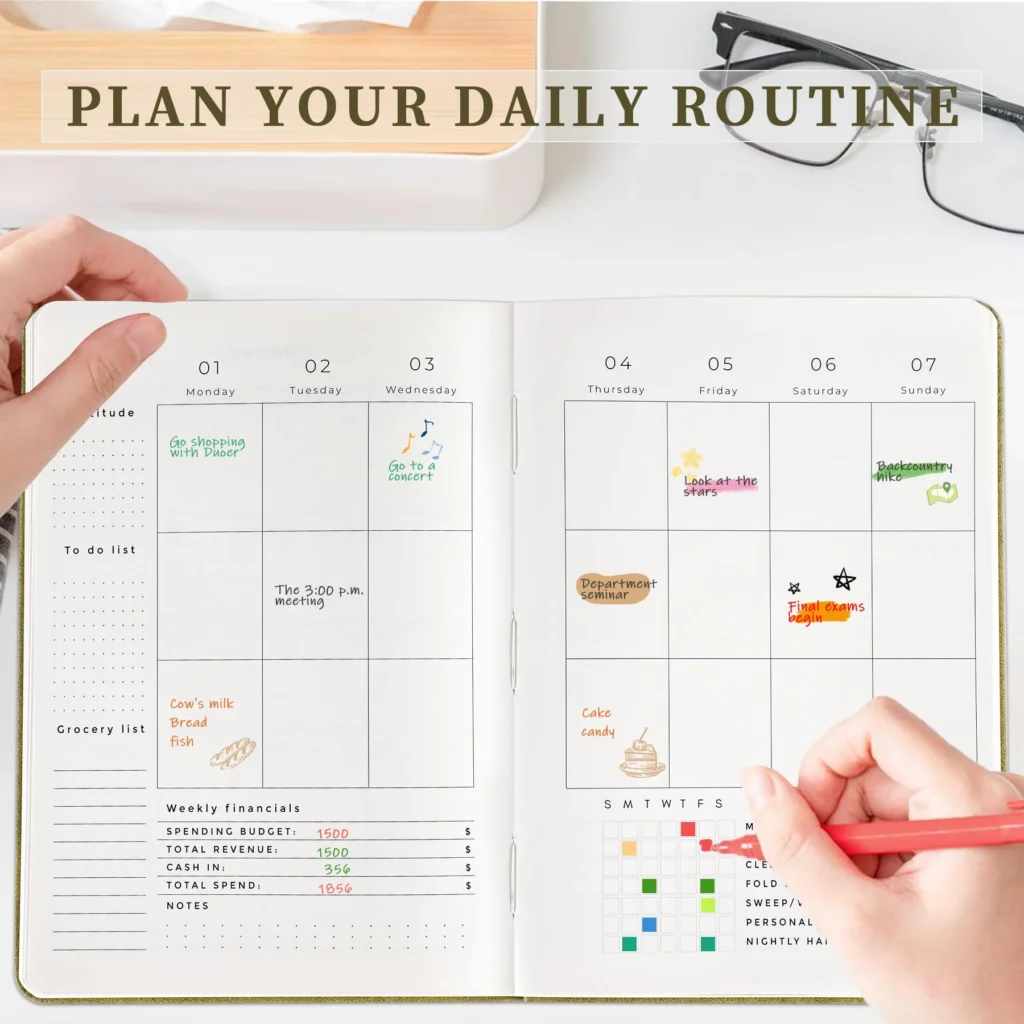
- Daily spreads with time slots
- Weekly or monthly calendars
- Habit trackers for health or study
- Pages for budgets or expenses
- Blank dotted sections for sketches or free notes
One U.S. coaching company asked us to design planners with 6 a.m. start times, sections for journaling, and bars to track daily progress. The final product matched their coaching method exactly.
Assemble Your Planner
If you make your planner at home, this step means printing, hole-punching, and binding. If you work with LABON, the assembly happens at our production lines. This keeps every piece consistent and ready for retail.
4. Add Personalization and Functional Enhancements
The small details are what make the planner truly yours.
- Color coding: Use different colors for personal, work, and family notes.
- Stickers and tabs: Mark special dates or highlight projects.
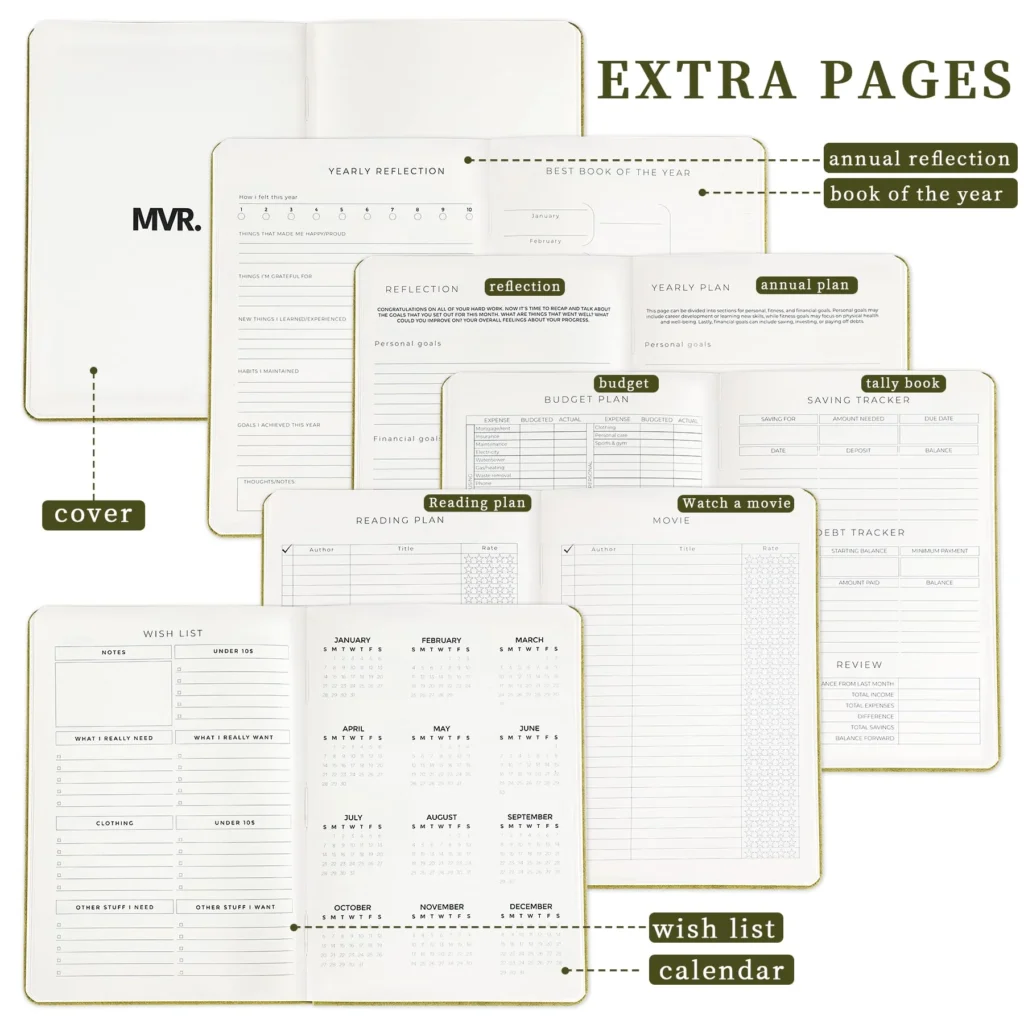
- Extra inserts: Add a gratitude journal, a travel checklist, or reading log.
LABON also helps brands customize in a deeper way. We can print a company’s logo on the cover, add quotes that reflect their values, or create luxury gift sets. Some companies use our planners as anniversary gifts for staff or as souvenirs for visitors.
5. Use and Maintain Your Planner
Buying or making a planner is only the first step. The real value comes when you use it daily.
- Create a habit: Open your planner at the same time each day. Some do it in the morning to plan, others in the evening to review.
- Weekly check-ins: Look over the next seven days. Adjust your list, shift priorities, and cross out tasks that no longer matter.
- Stay flexible: If you find a section doesn’t work for you, replace it. A planner should change with your life.
One of our U.S. lifestyle clients changes their design every year after asking for customer feedback. In 2021, they removed a calorie tracking section because many users didn’t like it. Instead, they added daily mindfulness prompts. That small change made sales climb higher the next season.
Conclusion
Building a personalized daily planner is not about perfection. It is about creating a tool that fits your daily life and goals. With the right design, your planner can save time, reduce stress, and even bring a little enjoyment into ordinary routines.
Whether you enjoy designing pages at home or prefer to work with a manufacturer like LABON Stationery, the goal is the same: to make a planner that works with you, not against you. And if you skip a week or smudge some ink, don’t worry. A planner is not a strict rule—it is simply a helper for your everyday journey.
FAQs
Q1. Can LABON produce custom planners for companies?
A: Yes. LABON has OEM and ODM services for brands worldwide. We make planners for wellness coaches, stationery brands, and even museums. We can add logos, packaging, and custom covers.
Q2. How long does it take to get a sample?
A: Usually 5–7 days. After that, mass production depends on order size. Because LABON has advanced facilities, we can handle large orders quickly.
Q3. Are eco-friendly options available?
A: Yes. LABON is FSC and BSCI certified. We use eco materials such as recycled paper, stone paper, and sustainable fabrics. Many clients choose these for corporate gifts.