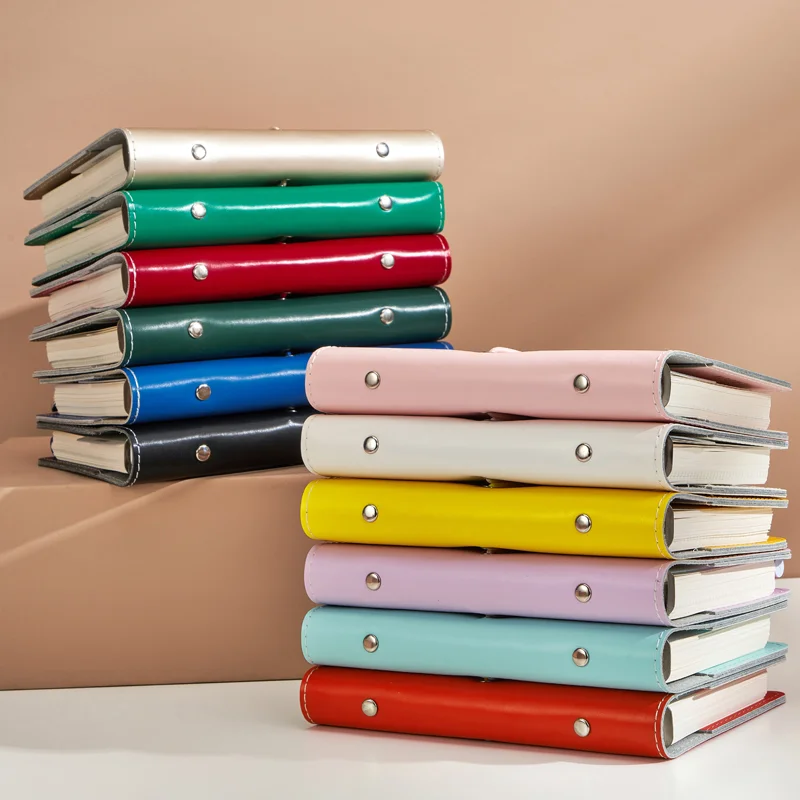
Loose leaf notebooks are a bit of a quiet hero in the stationery world. They don’t scream for attention like flashy leather-bound planners, yet for many students, designers, or executives, they quietly become the most dependable tool on the desk. They bend to your needs — literally — with pages you can remove, rearrange, and refill without drama.
But with dozens of sizes, paper types, and binding options out there, how do you pick the one that actually works for your day-to-day life? And, maybe more importantly, how do you find a supplier who won’t send you a batch that curls at the corners after a week?
At Labon Stationery, we’ve been making notebooks for over 20 years, shipping to 52 countries, producing over 2.3 million notebooks each year. So yes — we’ve seen all the good, bad, and “why did they make this?” versions of loose leaf notebooks. Let’s break it down.
Why Loose Leaf Notebooks?
Flexibility & Customization
The biggest perk? You’re not stuck with the order your notes came in. You can slide pages in and out, group them by project, or toss the ones that are no longer useful.
In real life, this is gold. One of our European clients — a corporate training firm — orders A5 loose leaf notebooks with custom dividers. Each course module gets its own section, and when the curriculum changes, they just send out new refill packs. No one’s left scribbling in margins or flipping through pages like they’re searching for buried treasure.
Ease of Use
Ever tried tearing a page from a glued notebook? It’s like surgery, and the patient rarely survives. Loose leaf lets you remove a page cleanly. Got a meeting summary that turned into a client briefing? Pull it out, slot it into your “Client” section, and you’re done.
Durability & Professional Image
Cheap loose leaf notebooks can flop here — flimsy covers, weak rings, paper that feathers when you write with a fountain pen. But quality ones last. We make covers from PU, linen, and coated paper, with ring mechanisms that survive daily abuse. In a boardroom, a well-made binder signals that you take your notes (and your job) seriously.
Common Drawbacks to Consider
Risk of Losing Pages
Let’s be honest: if you don’t handle them well, pages can wander off. Overstuff a binder, carry it in a bag with no protection, and sooner or later you’ll find a math problem lodged between your laptop keys.
The fix? Reinforcement rings for punched holes, or sheet protectors for critical pages. Some clients even request custom tab dividers with pocket sleeves — not glamorous, but life-saving when you drop your notebook in the airport lounge.
Hole Wear & Tear
With daily turning, paper edges can fray. If you’re using the notebook for years, you’ll want thicker stock or protective tabs. We’ve had Japanese stationery buyers specifically request 100gsm paper with micro-reinforced holes — overkill for some, but perfect for their engineering customers.
Choosing the Right Size and Paper
Understand Standard Sizes
Loose leaf comes in A4, B5, A5, A6 and each one has its “personality.”
- A4: Good for desk work, not so great for carrying.
- B5: Slightly smaller, still roomy — popular with university students.
- A5: The all-rounder. Fits into most bags, enough writing space for daily notes.
- A6: Pocket size, more for jotting than full pages.
In our production line, A5 is hands down the bestseller, followed by B5 for the education market.
Select the Ideal Ruling
This is where personality meets practicality:
- Lined/Wide Ruled: Everyday writing, especially if your handwriting leans large.
- Grid: Great for sketches, charts, or obsessive neatness.
- Dot Grid: A favorite for bullet journals — guides you without boxing you in.
- Blank: For artists or people who think in mind maps.
- Colored Paper: Adds flair. We’ve done pastel sets for cosmetics brands — they use them in product launch kits.
Match Paper to Your Writing Tools
If you write with a fountain pen, you’ll want smoother, heavier paper to prevent bleeding. For ballpoints or pencils, standard 80gsm is fine. One of our U.S. clients actually orders two paper types in the same binder — smooth ivory for meeting notes, off-white grid for sketching diagrams. It’s the kind of hybrid thinking loose leaf makes easy.
Binding Formats & Their Impacts
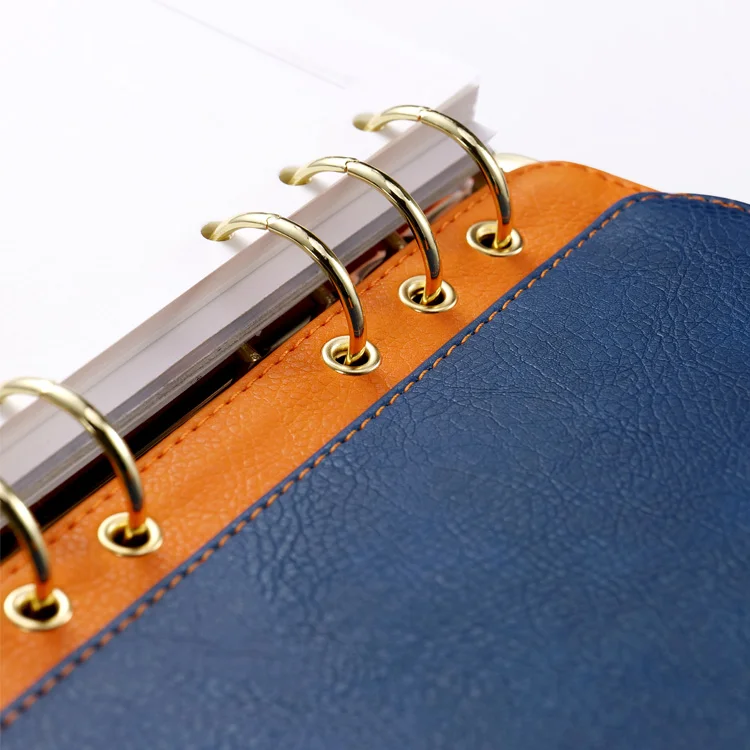
Ring Binders (6-Ring, 20-26 Ring)
The classic. The number of rings affects stability — more rings, less page wiggle.
Specialty and Compact Binders
Think Filofax-style planners or slim clip binders. Ideal for people who carry multiple small notebooks rather than one big beast.
Fixed-Page Alternative Comparison
Fixed notebooks feel sturdier for rough environments (like construction sites), but for flexibility, loose leaf wins every time. We’ve even made “hybrid” styles — a spiral-bound front section for fixed calendars, plus a rear binder for refillable notes.
Purpose-Driven Notebook Selection
For Students
Portability is key. A B5 loose leaf with subject dividers lets you carry only the day’s notes. We’ve worked with an Australian school district to supply color-coded dividers per subject — no more “Oops, wrong notebook” moments.
For Professionals
Meetings, presentations, and document storage demand a more polished binder. We produce PU leather covers with embossed logos for law firms and financial companies. It’s functional, but it also quietly markets their brand.
For Specialized Use
In labs or fieldwork, paper durability matters. We’ve made stone paper refills for environmental research teams — waterproof, tear-resistant, and weirdly satisfying to write on.
Tips for Organization & Maintenance
Use Dividers, Tabs, Labels
Color-coded or printed tabs speed up navigation. For one museum client, we designed divider pages printed with exhibition artwork — functional and a keepsake.
Protect Your Pages
Reinforcement rings are cheap insurance. For irreplaceable content, use plastic sleeves.
Adding/Removing Pages Smoothly
Don’t yank. Open the rings properly — they’re designed for it. And yes, we’ve seen someone pry a ring open with a pen. It ended badly (for the pen).
Quick Checklist Before You Buy
- Size: Fits your bag and writing style?
- Paper Type: Matches your tools and needs?
- Ring Count: Enough stability without overcomplicating?
- Cover: Durable, professional, brand-friendly?
- Extras: Dividers, pockets, customization options?
Final Thoughts
Loose leaf notebooks aren’t a one-size-fits-all product. The perfect choice blends the right format, quality materials, and your actual workflow. And if you’re sourcing for a business — whether for resale, corporate gifting, or internal use — having a manufacturer who can adapt to your needs is half the battle.
At Labon Stationery, we’ve built our reputation on exactly that: FSC/BSCI/REACH-certified production, fast sampling (5–7 days), and a team that actually listens. Because a good notebook doesn’t just hold your notes — it supports the way you work.
FAQs
Q1: Can I order loose leaf notebooks with mixed paper types in one binder?
Yes. We often supply mixed packs, like lined and grid in one set, for clients who need both writing and drawing space.
Q2: How long does it take to get a custom sample?
For most designs, we can deliver a sample within 5–7 days after confirming your requirements.
Q3: Are your loose leaf notebooks eco-friendly?
We offer options using FSC-certified paper and recycled materials, and we can discuss stone paper or other sustainable choices if you prefer.