
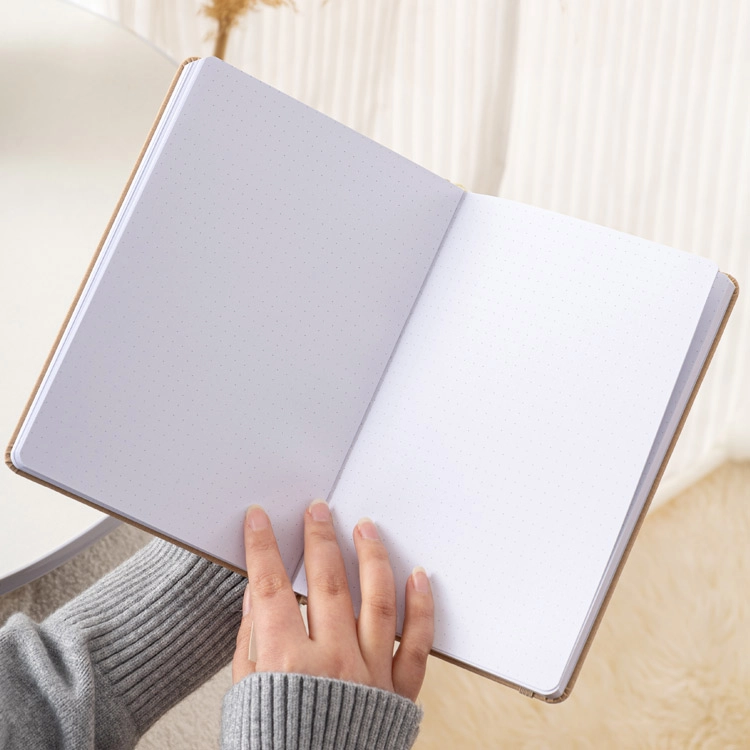
The connection between a writer and the page forms a detailed physical response system that guides the movement of thoughts. Picking the proper medium goes beyond simple ease; it stands as a basic choice for any brand or expert aiming to improve their messaging. For more than twenty years, Labon has perfected this skill. Founded in 2003 in Yiwu, this top company has grown from a basic product maker into a worldwide force, reaching 52 countries with over 2.3 million notebooks each year. By focusing on high-quality OEM and ODM services, their advanced plant combines careful work with strict checks. Whether a custom corporate gift set or a pro-level journal is needed, their production process delivers top results in every detail.

Why Does the Physicality of Paper Transform Your Writing Experience?
The basic traits of paper link mental goals to solid records. When using a real page, the mind draws on touch and feel to hold details better than on screens. This happens because a physical “writing field” calls for steady motion and hands-on attention, and it builds on how such a field shapes focused effort.
The Generation Effect and Cognitive Encoding
Writing by hand on real paper builds strong brain links that typing on devices skips. This hands-on work pushes real-time summing up and rephrasing of info, which boosts memory hold over the long run.
Spatial Anchoring for Enhanced Recall
A real notebook page gives a set layout that works as a mind guide for recall. People often remember just where a note sits on the page, so these place hints speed up pulling back tough details in future looks.
The Monotasking Sanctuary of the Blank Page
Real paper creates a no-distraction space that cuts mental strain by skipping alerts and display shine. As a result, it lets users reach a deep focus mode where fresh ideas and work planning happen free from device breaks.
Material Textures as the Essence of Tactile Feedback
The fiber makeup of a page sets the drag or “grip” that the pen point senses. This pushback acts as the key link between hand and surface, shaping the pace and accuracy of each mark made.
Wood-Free Paper for High-Friction Control
Regular wood pulp paper delivers a basic feel that gives solid hold for pencils and gel pens. It yields clear touch signals that mark steady output, and it supplies enough drag to stop pen slides in fast writing.
Coated and Dowling Paper for Frictionless Glide
Top coated papers get a fine surface treatment for an ultra-even finish. Such stock suits fountain pen fans best, since it lets the tip move smoothly and stops ink from bleeding or blurring on the sheet.
Stone and Cotton Paper for Unique Sensory Innovation
Other options like stone paper bring water-proof strength, while cotton paper offers a gentle and upscale feel. These special stocks let users fit the writing sense to exact job demands, from outdoor tasks to fine creative output.
Weight and GSM as the Foundation of Structural Support
Paper weight uses grams per square meter (GSM) to gauge the build strength of the writing field. Greater GSM means a stronger shield against ink soak and hand force.
The Daily Versatility of 70-80 GSM Standard Paper
Everyday notebooks often use paper from 70 to 80 GSM. This level gives a slim and bendy touch that fits bulk office jobs and school notes, where easy carry and quick use matter most.
The Premium Integrity of 100-120 GSM Heavy Paper
Pro journals and luxury gift sets employ thicker 100 to 120 GSM paper. This density wipes out show-through, or text seen from the back, so each entry looks sharp and pro.

Physical Feedback and Paper Resistance
Thicker paper forms a solid base that takes pen pressure without deep marks. Such build aid proves key for firm writers, as it keeps the sheet clean and tough through use.
Color and Ruling Patterns as Mental Navigation Tools
The look setup of a page quietly steers thought flow. Color choice impacts eye endurance, while line style sets if ideas run straight or free-form.
Soft Ivory and Cream Tones for Visual Comfort
Bright white paper leads to heavy eye wear from strong glare. Opting for ivory or cream shades cuts harsh blue light to the eyes, so sessions last longer with less tiredness.
Grid and Dot Patterns for Logical Precision
Grid and dot setups supply a light grid that aids up-down and side-to-side lining. They work well for tech drawings, hard math, and neat plans needing exact spacing.
Blank and Lined Fields for Diverse Thinking Styles
Straight lines push ordered and direct info flow, perfect for standard logs. Blank sheets lift all limits, giving space for creative sparks and free-form diagrams.
Why Is Labon the Ideal Partner for Custom Premium Paper Products?
Choosing a maker needs a mix of know-how, scale, and proven standards. The best partner turns base goods into a work tool that shows a brand’s drive for quality.

Twenty Years of Industrial Leading Manufacturing Excellence
From 2003 on, this maker has built top methods to cover varied stationery wants. With service to 52 countries and millions of items yearly, it holds the trust needed for world sales.
Comprehensive OEM and ODM Customization Capabilities
Picking ready items or full custom builds meets exact needs. Skills span covers in PU and linen, plus special papers and detailed box packs.
Strict Quality Control and Global Sustainability Certifications
Tight checks rule each production step, from stock intake to end review. This quality focus gains nods like FSC for green practices, BSCI for fair work, and REACH for safe rules. Check our portfolio for past wins.
FAQ
Q1: What does GSM stand for in paper specifications?
A: GSM stands for grams per square meter, which is the standard unit used to measure the weight and thickness of paper.
Q2: Which paper color is best for reducing eye strain during long writing sessions?
A: Soft ivory or cream tones are superior for eye comfort because they reflect less high-energy light compared to bright white paper.
Q3: What is the difference between wood-free and coated paper?
A: Wood-free paper has a natural fiber texture providing more friction, while coated paper has a treated surface for a smoother, glide-like writing experience.