French ruled paper is built around a visible writing grid, so the page has to be specified more carefully than an ordinary ruled notebook. The darker baselines, finer guide lines, vertical divisions, margins, paper, and binding clearance all affect how the page feels when someone writes on it.
For a custom notebook buyer, the most useful question is not only what French ruled paper looks like. The real production question is how the ruled paper line spacing, page geometry, line color, paper stock, and print registration will be controlled from artwork to bulk production. Those details should be written into the specification before the supplier quotes or samples the notebook.
A buyer can compare product directions in the Labon notebook portfolio. For a layout-led reference, the Diamond Grid Planner is useful for discussing structured interior pages, although a French ruled page still needs its own approved grid artwork and measurements.
What Is French Ruled Paper and Seyes Ruling?
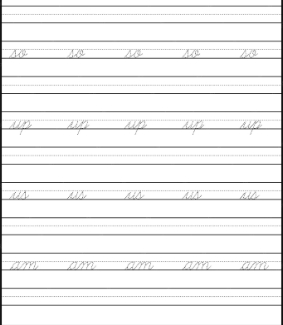
French ruled paper is commonly associated with Seyes ruling. Instead of one horizontal writing line, the page uses stronger baselines with lighter horizontal guides and vertical divisions. The grid gives the writer repeated reference points for letter height, spacing, slope, and alignment.
Main Baselines and Fine Guide Lines
The main horizontal baselines should be easy to find without overpowering the handwriting. The finer guide lines sit between those baselines and divide the writing row into smaller heights. When a buyer sends artwork, both the main lines and the lighter guides should have defined positions, line weights, and colors rather than being described only as “French ruled.”
Vertical Grid and Writing Area
Vertical divisions create repeated writing units across the page. The grid also has to leave room for the inner margin, outer trim, page numbers, headings, or a custom footer. If left- and right-hand pages use mirrored inner margins, that should be visible in the page files instead of being left for the printer to infer.
How Does French Ruled Paper Line Spacing Work?
Line spacing is one of the first details buyers need to define when specifying ruled interiors. Terms such as lined paper spacing, college ruled line spacing mm,ruled paper line spacing, and standard notebook line spacing all refer to measurable page geometry. French ruled paper, however, needs a more detailed grid specification than ordinary college ruling.
Ruled Paper Line Spacing vs. Standard Notebook Line Spacing
A standard ruled notebook may be described mainly by the distance between horizontal lines. French ruled paper needs more information because the fine guides and vertical divisions are part of the writing system. The specification should therefore show the full grid, not just one baseline-to-baseline measurement.
Specify Line Spacing in Millimeters
Give the supplier a full-size page drawing and mark the horizontal spacing, vertical spacing, first baseline position, final writing row, inner margin, outer margin, and binding clearance. If the notebook will use rounded corners, a printed header, or a date field, place those items on the same page drawing so the usable writing area can be checked before printing.
Which Types of Notebook Paper Work for French Ruled Pages?
Paper selection is another important part of a French ruled notebook specification. Buyers comparing types of notebook paper or paper for notebook manufacturing should check paper shade, opacity, texture, and ink absorption because these factors change both grid visibility and writing feel. When deciding what paper is used for notebooks, the final choice should be tested with the actual ruling and intended writing tools.
Paper for Notebook Manufacturing
Labon lists conventional wood pulp paper, stone paper, coated paper, watercolor paper, and cotton paper among its available paper directions. That list should be treated as a menu for discussion, not a claim that every paper is suitable for French ruling. The buyer should choose the paper around the intended writing tool and then approve the actual printed grid on that stock.
Notebook Paper Weight and Pen Testing
For French ruled pages, notebook paper weight and recommended paper thickness for custom notebooks should be considered together with opacity, show-through, and writing feel. Write on both sides of the sample with the pens the target user is likely to use, then compare line visibility, feathering, transfer, and writing feel before approving the paper.
Artwork, Custom Notebook Printing, and Page Maps
A French ruled interior is a print job with many fine repeated lines, so artwork preparation matters. Custom notebook printing matters more with French ruled interiors because the page contains many fine, repeated lines. The interior should be treated as a controlled print job rather than a generic page style.
Build a Page Map Before Printing
Create a page map that identifies every interior template: ownership pages, contents pages, subject dividers, French ruled practice pages, notes, and intentional blanks. Record whether each file is a left-hand page, right-hand page, or repeated template. That step reduces the risk of a margin, heading, or grid being placed on the wrong side during imposition.
Control Line Weight, Color, and Registration
Main baselines and fine guides need different visual weights. A screen preview cannot prove the final contrast because paper shade and print density change the result. Ask for a physical sample, check the top, middle, and bottom of several pages, and look for drift toward the trim or binding. A grid that is geometrically correct but printed too dark can still be tiring to use.
Notebook Bindings and Sampling Checks
Notebook bindings directly affect how much of the French ruled grid remains usable after assembly. The inner margin, spine structure, and punch clearance can all reduce the practical writing area if they are not checked during sampling.
Leave Clearance for the Binding
A tight sewn or glued binding can hide part of the grid near the spine, while coil binding needs punch clearance. The safe writing area should be checked after the binding has been applied, not only on a flat digital proof. If the project uses left- and right-hand page templates, confirm that both remain comfortable to write on near the center fold.
Use the Physical Sample as the Production Reference
Review the published Labon production process for the move from design and sampling into production. On the sample, check grid spacing, color, page sequence, trim position, writing comfort, binding clearance, and print consistency across several sheets. Keep the approved physical sample together with the final files and measured specification for the bulk order and later reorders.
Plan a Custom French Ruled Notebook With Labon
Labon Stationery was established in 2003 and focuses on paper notebooks and related paper products. Its product range includes office notebooks, student notebooks, diaries, planners, journals, hard notebooks, soft notebooks, and coil books, so the French ruled interior can be discussed together with the cover and binding instead of as an isolated sheet.
OEM, ODM, and Custom Interior Requirements
Labon supports customized production, OEM, and ODM. For a French ruled project, separate the fixed requirements from the choices still open. The finished size, grid geometry, reading direction, and intended user may be fixed, while paper, cover, binding, and packaging can be compared through samples.
Send a Complete Inquiry Brief
Send the finished size, French ruling artwork, line colors, measured spacing, paper requirement, page count, page map, binding, cover, logo treatment, packaging, quantity, and destination in one versioned brief. Use the Labon contact page to confirm the exact production and commercial details for the project.
Conclusion
French ruled paper works best when the page is treated as a measured writing system rather than as a decorative grid. Define the ruled paper line spacing, guide lines, vertical divisions, margins, paper, notebook paper weight, printing, and binding clearance before bulk production. A full-size artwork file and a signed physical sample give both buyer and supplier one clear reference for the finished notebook.
FAQ
Q1: Is French Ruled Paper the Same as Seyes Paper?
A1: Seyes ruling is the layout commonly meant by French ruled paper. Because manufacturers may use the name loosely, the buyer should still supply the exact grid artwork and measurements.
Q2: How Should French Ruled Paper Line Spacing Be Specified?
A2: Use a full-size page drawing with horizontal and vertical measurements, line weights, colors, margins, page size, and binding clearance. Do not rely only on the phrase “French ruled.”
Q3: Is French Ruled Line Spacing the Same as College Ruled Line Spacing?
A3: No single comparison should be assumed. College ruled line spacing mainly describes horizontal line distance, while French ruled paper also uses intermediate guides and vertical divisions, so the complete grid needs to be specified.
Q4: Which Types of Notebook Paper Work Best for French Ruled Pages?
A4: The right paper depends on the intended pen, opacity, surface feel, and print contrast. Test the selected paper with the actual grid and likely writing tools before approval.
Q5: Can French Ruled Pages Be Used in a Custom Printed Notebook?
A5: Yes. The grid can be combined with page numbers, headings, subject fields, logos, or other interior elements as long as the added content does not interfere with the writing area.