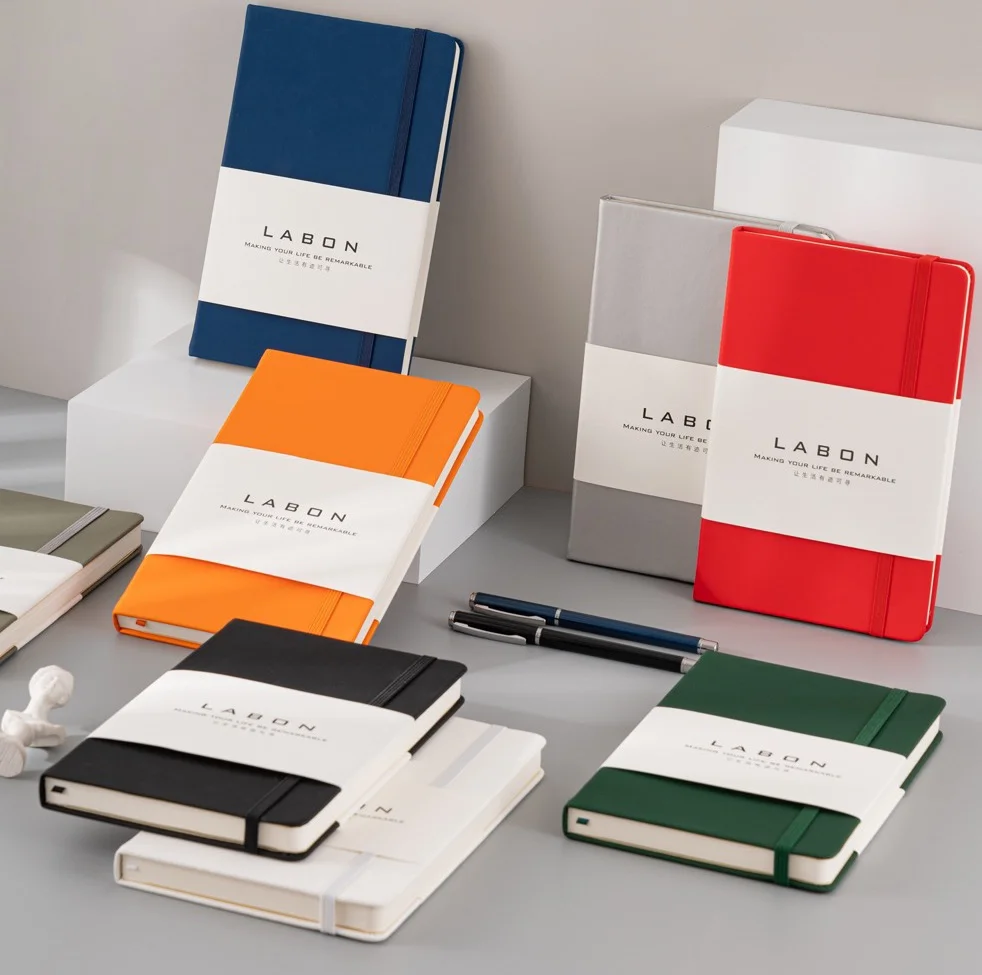
A notebook looks simple on the outside. Yet stationery buyers understand that many small choices sit behind the final product. Paper weight, surface feel, cover material, binding style, printing method, and packaging all shape how the notebook performs. A basic notebook can hold words on the page. A stronger version encourages people to write more often. They carry it to meetings without worry. They also pass it to clients with full confidence in the build quality.
Labon has spent more than 20 years making notebooks and paper stationery. Its real value goes beyond a nice cover. The factory handles custom notebooks, diaries, planners, portfolios, and gift sets. It offers OEM and ODM service with solid experience in business gifts and retail orders. Buyers who need FSC and BSCI standards, steady output, and custom presentation find it a reliable partner. Paper quality and brand image both stay in focus during every project.
What Makes Notebook Materials Feel Premium?
Premium stationery does not require the costliest materials in every part. Balance matters most. The cover guards the pages. The paper takes ink without issues. The binding lets the book open smoothly. When these elements fit together, the notebook feels solid even before anyone checks the specs on paper.
Paper Weight Is the First Detail to Check
Paper weight gets measured in GSM. This stands for grams per square meter. Thin paper works for basic office notes. It often falls short once users switch to gel pens, rollerball pens, markers, or fountain pens. Ink can bleed through, feather along the edges, or cast dark shadows on the back. Many better notebooks therefore use paper from 80gsm to 120gsm. The exact choice depends on price targets and how people plan to write.
Corporate gifts need paper that feels worth keeping on a desk. Retail versions need paper that earns good reviews and repeat buys. One customer may pick a notebook for the cover alone. They return later because the writing stays clean and comfortable over many pages.
Surface Texture Changes the Writing Experience
Two notebooks can share the same GSM yet feel quite different in use. Surface treatment and paper grain create the contrast. A smoother sheet lets pens glide without effort. This suits meeting notes, daily plans, and business writing. A more textured sheet can suit sketching or creative work. It may slow fine-tip pens during quick notes.
Sample checks should include actual writing tests. Use the same pens that final users will choose. Let the ink dry fully. Turn the page and inspect the back side. This quick test reveals more than any long material list can explain.
How to Judge Paper Quality Before a Bulk Order
An order can match every listed spec yet still feel wrong once it arrives. Sample review goes beyond logo placement. It shows whether the notebook survives real desks, bags, and daily writing habits over time.
Ink Resistance and Fountain Pen Use
Ink resistance stands out as one clear sign of better paper. Poor sheets let ink spread into the fibers. Letters then look fuzzy and less sharp. Better paper keeps lines clean and colors true. Fountain pen users notice this fast. The same quality also helps dark gel ink and heavy ballpoint writing stay neat.
Executive gifts, training kits, client welcome packs, and premium retail lines all benefit from this feature. Users may not name the low porosity level. They simply see that notes stay readable and the next page remains usable for more writing.
Acid-Free Paper for Records That Need to Last
Not every notebook requires archival paper. Short event notebooks may see only a few days of use. Diaries, meeting records, office logs, and commemorative gifts need pages that resist quick yellowing. Acid-free paper keeps sheets cleaner and less brittle for longer periods. This makes the notebook suitable for storage that lasts months or years.
Business buyers gain from this because the notebook becomes part of someone’s daily work flow. A notebook that still looks presentable months later keeps the brand impression strong. A low-cost giveaway often ends up forgotten in a drawer instead.
Cover Materials: Why PU Leather Is Popular for Business Notebooks
The cover forms the first impression for most people. It also faces the heaviest daily wear. It rubs against laptops, keys, bags, shelves, and shipping cartons. A good cover holds its shape, resists common scratches, and stays pleasant to hold.
PU leather appears often in business notebooks. It delivers a clean, professional appearance without the higher cost or sourcing limits of genuine leather. The surface can stay smooth, show a pebbled pattern, take a matte finish, or carry light texture. It accepts debossing, foil stamping, UV printing, and metal logo details well. Buyers gain flexibility to match many different brand styles.
A Product Example for Executive Use
The Classic Luxury PU Notebook | Premium Executive Diary & Timeless Corporate Gift serves as a clear example in this group. Its design uses vegan PU leather, gold foil details, an inner pocket, a pen loop, and numbered pages. These features support real work needs rather than simple decoration. The pocket holds business cards or loose notes. The pen loop keeps the notebook ready for quick meetings. Numbered pages help users track longer records without confusion.
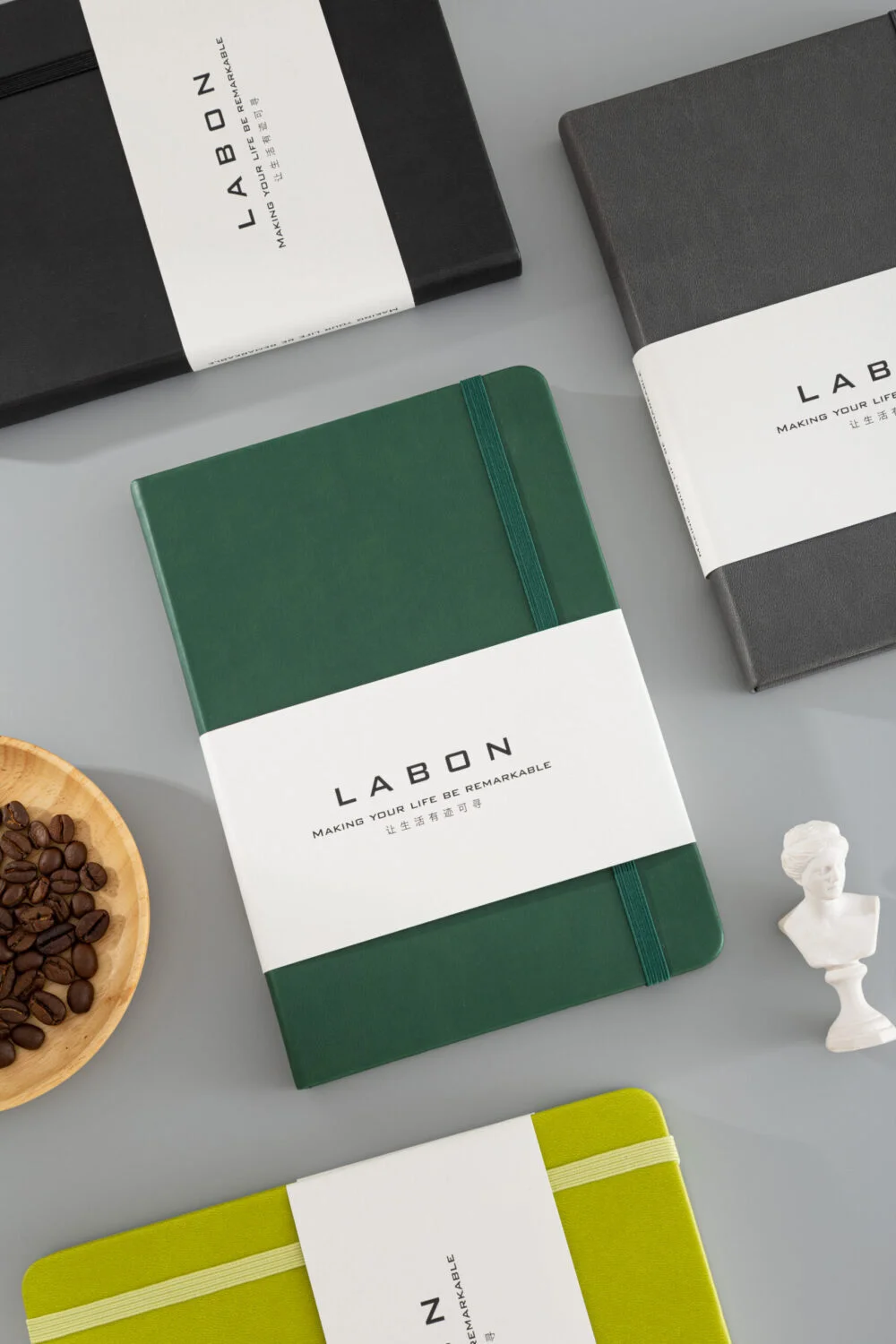
Premium ivory paper adds acid-free and ink-resistant qualities. Lay-flat binding, an elastic closure band, and a ribbon bookmark complete the build. Executives, sales teams, seminar kits, and client gifts all benefit from this mix. The notebook looks formal yet handles daily tasks without extra effort.
Sustainability and Material Standards
More buyers now request details on sourcing, compliance, and long-term responsibility. FSC-related paper sourcing and REACH-compliant materials help when notebooks go into international gift projects or retail channels. These points do not show on the finished item itself. They still ease approval steps for corporate purchasing teams.
A notebook does not need to highlight sustainability in bold letters. Materials simply need to give buyers confidence when they place larger orders.
Binding and Structure Decide Daily Usability
Binding often gets overlooked during early design work. It still decides how often people reach for the notebook each day. A strong cover loses value if the book refuses to stay open or if pages loosen after short use.
Lay-Flat and Thread-Sewn Options
Thread-sewn binding gives the spine extra strength. Pages stay secure through repeated handling. Lay-flat binding works especially well for planners, journals, and meeting notebooks. Users can write near the center without holding the page down with one hand.
Glue binding remains acceptable for some lower-cost projects. Buyers should match the choice to actual use. A conference giveaway does not require the same strength as a premium anniversary gift. The right option fits budget, brand level, and expected handling over time.
Small Functional Details That Users Remember
Pen loops, ribbon bookmarks, back pockets, elastic bands, magnetic clasps, rounded corners, and page numbering may seem minor at first. They still shape daily experience in clear ways. These details also help a notebook feel complete inside a gift box. A buyer who compares two samples often picks the version that feels ready for immediate use.
Labon Stationery covers common decisions through its production process. Notebook size, material type, inner pages, cover customization, and small touches all receive attention. A custom project moves forward with clearer steps. Buyers avoid vague requests and give the factory precise instructions before sampling begins.
Customization and Gift Set Presentation
Customization should make the notebook feel more like your brand. It should not make the item feel less like a notebook. A large logo in the wrong spot can lower the overall look. A small debossed mark, neat foil logo, or clean UV print often appears more natural and lasts longer during daily use.
Branding Methods That Fit Different Markets
Debossing suits a quiet executive style. Foil stamping adds light and works for anniversary gifts, seasonal sets, or premium retail products. UV printing handles sharper color or fine detail when needed. Metal logos can raise perceived value. They require careful placement because too much shine can feel heavy in real settings.
Check samples under normal office light and store lighting before bulk production. Some finishes look strong in photos yet appear too bright during actual use. Sample confirmation should never move too fast.
Gift Boxes for Corporate and Retail Orders
Packaging changes how people judge the notebook before they touch the paper. A simple sleeve may suit a basic retail notebook. A belly band can show product information without covering the cover. A rigid box or notebook-and-pen set works better for executive gifting, company anniversaries, museum souvenirs, and special events.
Buyers who build custom gift set solutions need the box to match the notebook. Color, texture, insert layout, and logo position should align. The best packaging feels planned from the start rather than added at the end.
A Simple Checklist Before You Confirm an Order
Review the notebook as a user before approving production. Write on several pages. Open the book flat. Check the spine, cover, pocket, closure, and logo from a normal distance. Decide whether the notebook fits the people who will receive it.
Corporate gifts need a structure that feels professional and useful at the same time. Retail shelves require cover, size, packaging, and paper quality that support the final price. Commemorative projects should include the emotional side. The notebook should feel like something chosen with care.
FAQ
Q1: What paper weight is best for a premium notebook?
A: Most business notebooks work well with paper from 80gsm to 120gsm. The final pick depends on pen types, price level, and whether the notebook serves daily notes, executive gifts, or retail sales.
Q2: Is PU leather a good cover material for corporate gifts?
A: Yes. PU leather delivers a clean business appearance. It supports several logo processes. It resists common surface wear. Cost stays more controlled than genuine leather.
Q3: Why does acid-free paper matter?
A: Acid-free paper reduces yellowing and brittleness over time. It suits diaries, office records, planners, and gift notebooks that users may keep for longer periods.
Q4: Should I request a sample before placing a bulk order?
A: Yes. A sample lets you check paper feel, ink resistance, binding strength, cover texture, logo effect, packaging, and overall hand feel before production starts.
Q5: What is the safest customization method for a business notebook?
A: Debossing or a small foil logo usually works well for professional gifts. Both options brand the notebook without turning it into an obvious promotional item.