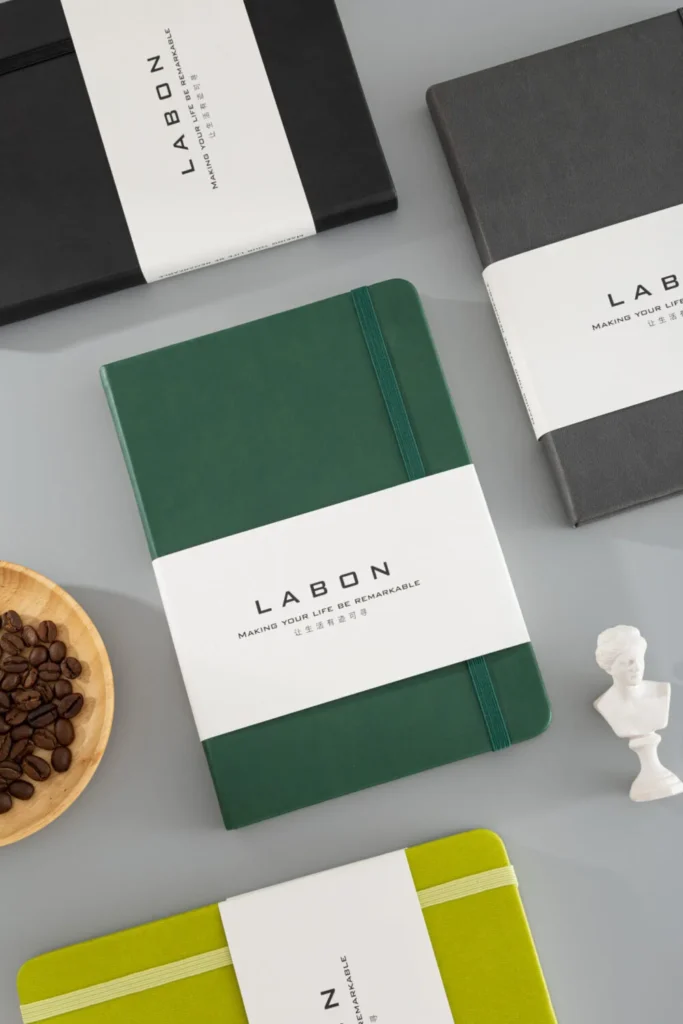
Selecting a ruled notebook looks easy. However, it gets tough when you need one for an important meeting or a top brand prize. Quality goes beyond a nice cover. It involves how the spine lasts after long use. It also covers if your preferred pen avoids bleeding through the page. As an expert in the stationery field, I have viewed countless notebooks. Most do not pass the quick look test. They save on supplies. If you seek a supplier who understands the paper and binding details, visit Labon Stationery. The company has more than 20 years of making experience. They manage all from production processes to bespoke gift sets for 52 countries. They hold FSC and BSCI certifications. This means they produce a solid book in the correct manner.
Examine the Material Excellence of the Cover
The cover is the first part your hand feels. It guards your ideas. It also shows your brand image. A weak or low-cost cover hints at poor build. Such a product may not handle daily travel. You should seek materials that mix good looks with strong wear.
Tactile Luxury of PU Leather
Top synthetic leathers feel gentle, not like hard plastic. The Classic Luxury PU Notebook serves as a fine sample. It employs a fine PU that copies the texture and feel of true leather. At the same time, it stays simple to wipe clean. This choice suits many uses.
Visual Brilliance of Crystal Diamonds
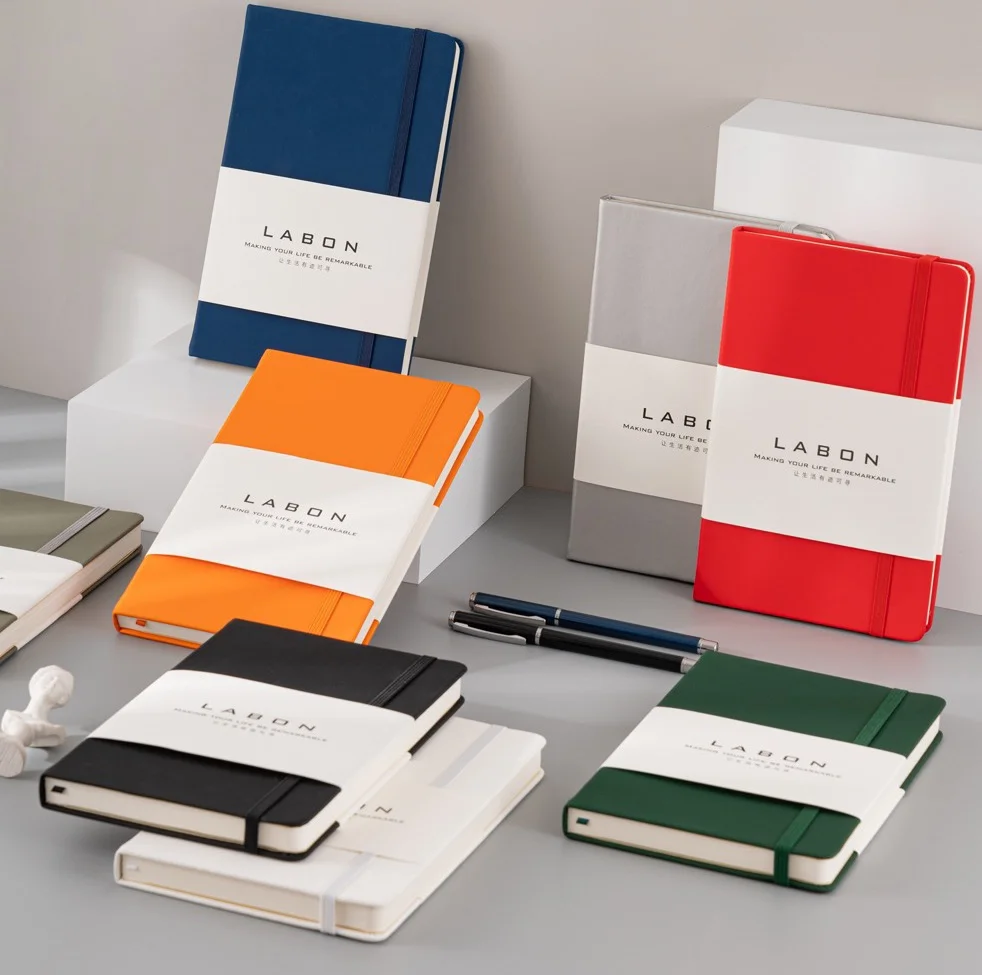
A notebook meant to shine as a keepsake or fine present requires unique surfaces. The Crystal Diamond Hardcover Notebook applies a clear surface finish. This creates a sparkling shine that grabs light. Yet, it avoids a cheap appearance. The effect draws attention well.
Long Term Durability and Wear Resistance
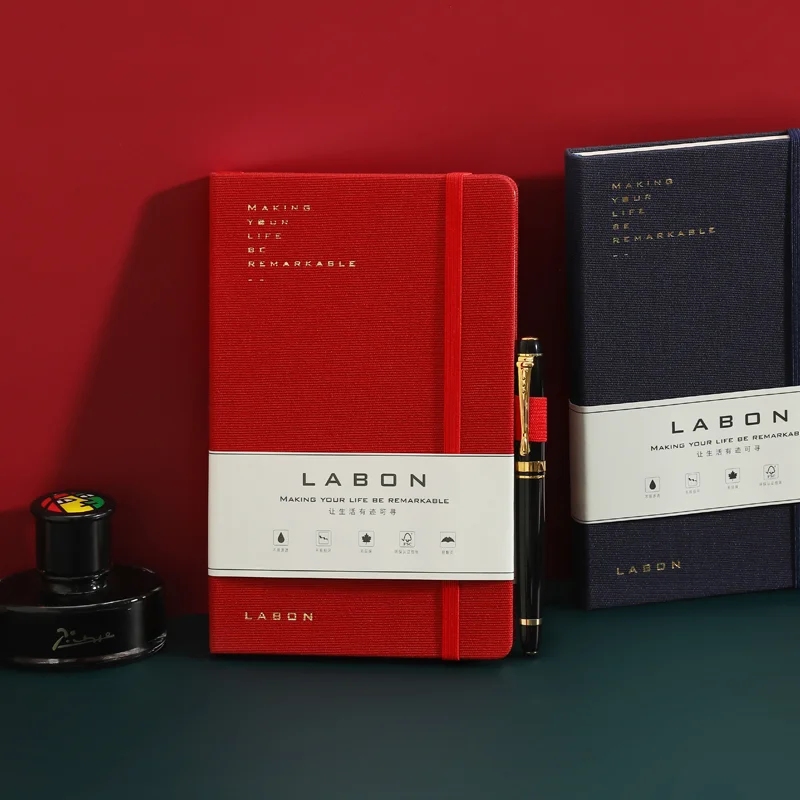
A solid cover avoids peeling at edges. Makers often pick treated paper or tough linen. However, the main factor is the board’s thickness. This stops bending in damp air. Such features ensure lasting strength.
Evaluate the Superiority of Paper Specifications
When you flip open the book, the paper takes the main role. You likely faced thin sheets where writing shows through. That ruins the experience. Spotting fine paper means testing the weight and feel with your fingers.
High Density Ink Resistance
Common notebooks rely on simple wood pulp sheets. But expert levels use 100gsm or 120gsm thickness. This weight holds ink on the surface. It prevents spreading to the back. Such paper supports various pens.
Smooth Surface for Frictionless Writing
Slide your fingers over the sheet. It needs to feel even but with slight grip for ink hold. This applies to wood pulp or green stone paper. The finish must stay uniform over the full page. Consistency aids smooth writing flow.
Acid Free Longevity for Archival Needs
For notes that endure years without fading, select acid-free paper. This meets a key industry rule. It keeps the sheet steady and bright. As a result, your records stay clear for a long time. This suits storage needs.
Analyze the Precision of Binding and Layout
A book that will not lie open frustrates fast writers. Many plants cut costs on binding. They choose weak glue over true sewing.
Lay Flat Design for Ergonomic Use
Real top notebooks apply a lay-flat binding method. This lets the book spread to 180 degrees. You can then write close to the edge. There is no battle with the spine. This design eases daily tasks.
Reinforced Thread Sewn Binding Stability
Examine the spine’s top edge. You will notice small groups of folded sheets sewn with cord. This sewn approach sets the standard for lasting build. It holds pages firm over time. Strength comes from this technique.
Clean and Consistent Ruling Alignment
Inspect the lines closely. They must run straight across and match in shade. Dark lines pull focus from your text. Uneven gaps point to weak print checks. Proper alignment shows care in making.
Inspect the Refinement of Functional Details
What sets a solid notebook apart from an excellent one comes from minor extras. These make everyday handling simpler. Such points reveal that the creator tested the item before large runs.
Practical Ribbon Bookmark Integration
The ribbon requires heat-seal ends to stop unraveling. It acts as a basic aid. Yet, it cuts time each day for quick page finds. This feature boosts practical value. Users rely on it often.
Expandable Back Pocket Utility
Look inside the back cover for a holder. It should use strong card or cloth material. This keeps slips, cards, or notes secure without rips. The pocket adds useful storage. It fits loose items well.
Professional Elastic Closure Security
The band must show firm pull. A slack feel from the start means it fails soon. It has to seal the book tight. This guards the pages inside. Proper tension ensures safety.
Why Labon Is Your Ultimate Partner for Premium Stationery
If low standards frustrate you, seek a maker who values the skill. Review the portfolio of skilled producers. In business-to-business deals, trust matters most. You require a supplier who manages the hard parts. This lets you center on your image.
Expertise in Bespoke Stationery Manufacturing
The group’s past starts in 2003. They shifted from basic making to full OEM and ODM options. They avoid set patterns. Instead, they craft to your specs. This builds tailored results.
Comprehensive Supply Chain for Corporate Gifts
From event kits to site mementos, a full-service setup proves essential. They cover the books, cases, and wraps in one smooth flow. This simplifies the process. It meets gift demands cleanly.
Rigorous Quality Control and Production Standards
Quality arises from careful steps. Raw items get full checks. Each stage faces review by a focused group. This guarantees that your shipment matches the trial piece. For a set plan, you can contact them about tailored choices. Reliability drives the output.
FAQ
Q1: What is the most durable cover material for a professional notebook?
A: High-grade PU leather is generally the best choice for professionals because it offers a premium look and feel while being resistant to scratches and water.
Q2: How do I know if the paper will handle my fountain pen?
A: Look for a higher paper weight, ideally 100gsm or more, and check if it is wood pulp or coated paper. Heavier, smoother paper prevents “feathering” and “ghosting.”
Q3: Is a sewn binding better than a glued one?
A: Absolutely. Thread-sewn binding is far more durable and allows the notebook to lay flat, whereas glue-only binding often cracks over time and causes pages to fall out.
Q4: Can I customize the internal layout for my company?
A: Yes, professional manufacturers offer OEM and ODM services, allowing you to customize everything from the ruling style to the page headers and even the paper type.
Q5: Does Labon Stationery provide samples before a bulk order?
A: Yes, the standard process involves creating a sample within 5 to 7 days so you can confirm the quality before proceeding with a large-scale order.