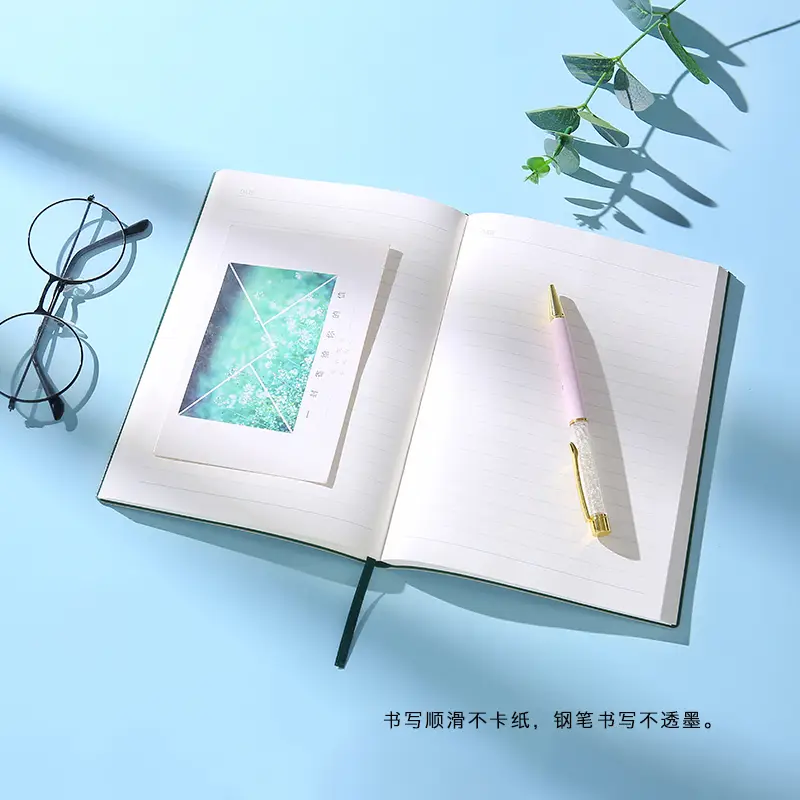
When you open a fresh notebook and see those tidy, evenly placed lines, it might seem like a simple design choice. But in truth, line spacing on paper can make or break your writing experience. From the speed of your notes to the comfort of your eyes, this small detail quietly shapes how well you write.
At Labon Stationery, design is never an afterthought. Every line, margin, and texture is made to make writing feel smoother and more natural. Let’s take a closer look at how something as small as line spacing can really improve your writing efficiency.
Why Does Line Spacing Matter in Writing?
When it comes to writing, line spacing isn’t just about looks. It affects how your hand moves. And it changes how your eyes track. Plus, it even impacts how your brain processes information.
Visual Comfort and Readability
If the lines are too close, your writing can feel cramped and messy. Too far apart, and you waste space. So, it makes it harder to follow your own notes later. The right spacing gives your eyes room to breathe. And it gives your words a natural rhythm on the page. Labon’s notebooks are designed with comfortable spacing. It keeps your handwriting tidy. But it does not make the page feel crowded.
Impact on Handwriting Neatness
Consistent spacing helps guide your letters evenly. This improves how easy it is to read. It is especially helpful for students or professionals who take long notes by hand. Many of Labon’s lined notebooks feature clear but subtle guidelines. They balance structure and freedom. So, your handwriting stays tidy. Yet, it does not feel restricted.
Influence on Writing Speed and Flow
Writing efficiency also depends on how fast your hand can move. And it relies on doing this without constant corrections. With balanced spacing, your pen glides more naturally. This reduces pauses or smudges. Over time, that adds up. You finish tasks quicker. And you feel less strain.
How Can the Right Line Spacing Reduce Mental Fatigue?
The layout of your notebook can quietly influence how long you can focus. Good line spacing helps your brain stay relaxed. Even through long study or work sessions.
Optimized Eye Movement and Focus
When lines are evenly spaced, your eyes don’t have to keep re-adjusting as you read or write. That means less visual strain. And it leads to smoother transitions between lines. It’s a small detail. But it can make hours of writing feel much lighter.
Natural Writing Rhythm and Consistency
Writing should flow like speaking. It needs to be steady and effortless. Proper line spacing encourages a consistent rhythm. It keeps your handwriting uniform from start to finish. Labon’s experience in notebook layout design helps strike this balance perfectly. For both casual users and professionals.
Improved Page Organization for Long Sessions
Have you ever flipped through your old notes? And then struggled to find what you wrote? Good spacing helps separate ideas clearly. With structured lines, every section stands out. This makes reviewing or editing much faster later.
What Role Does Paper Quality Play in Writing Efficiency?
While line spacing sets the structure, paper quality defines the experience. The smoothness, thickness, and finish of the page all affect how comfortably you can write.
Smooth Surface and Ink Absorption Balance
Paper that’s too rough can slow down your pen. Paper that’s too slick can cause ink smearing. Labon uses carefully selected paper materials. These range from standard wood pulp to stone and cotton paper. So, this creates the ideal writing surface for different needs.
Appropriate Paper Thickness and Opacity
Thicker paper prevents ink bleed-through. This is especially true for fountain pen users. Combined with the right line spacing, you can write on both sides without distraction. Labon’s paper selection always considers these details. It helps maintain a clean, professional look.
Eco-Friendly Paper Options from Labon
Efficiency isn’t just about speed. It’s also about sustainability. Labon has introduced eco-friendly and FSC-certified paper choices. They help reduce environmental impact. At the same time, they keep writing comfort.
How Does Line Spacing Differ Across Various Notebook Types?
Not all notebooks are created equal. Each layout serves a different purpose. And the spacing between lines plays a big part in that.
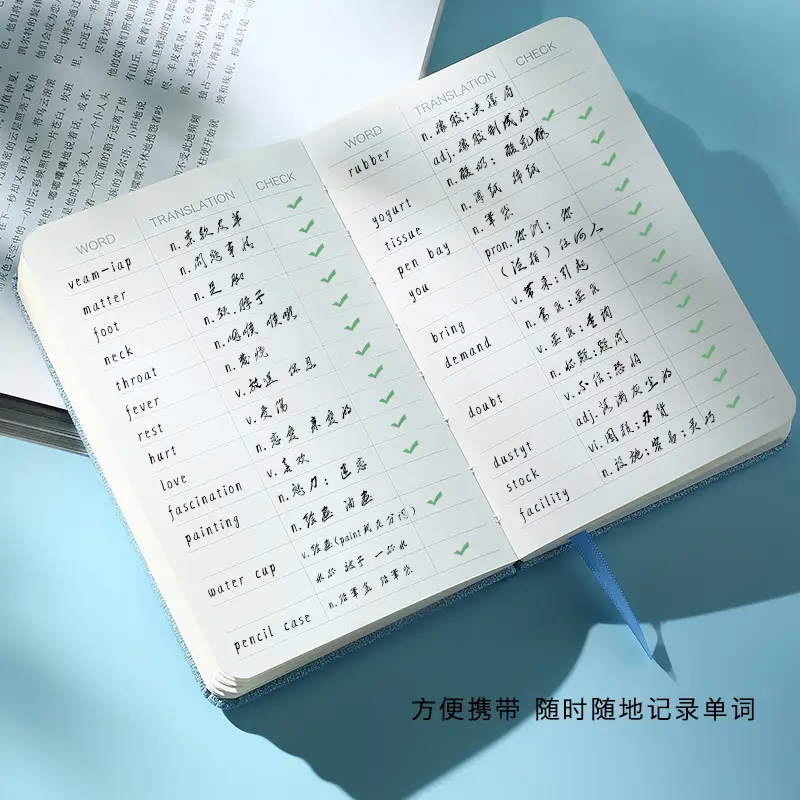
Narrow Ruled vs. Wide Ruled for Different Users
Students who write smaller letters might prefer narrow spacing. While those with larger handwriting often find wide ruled lines more comfortable. Labon produces both types. This offers flexibility for various writing habits. And it works for regional preferences too.
Special Layouts for Creative or Academic Use
Some users need more than just straight lines. For example, dotted grids, half-lined pages, or margin guides can all help organize creative or technical work. Labon provides these designs through OEM and ODM services. This allows brands to create notebooks tailored to their customers’ exact needs.
Customized Line Spacing in Labon’s OEM/ODM Notebooks
Whether you’re designing a student notebook or a planner for professionals, Labon supports customization. This includes spacing to paper type. Such flexibility has made them a trusted partner. They work with global stationery brands in Europe, the U.S., and Southeast Asia.
How Can Line Spacing Help Students and Professionals Alike?
From classroom notes to project planning, the spacing between lines can quietly improve clarity. And it boosts productivity too.
Enhanced Note-Taking for Academic Success
Students benefit from well-structured pages. There, ideas stay organized. Balanced spacing keeps handwriting legible. And it encourages better study habits.
Efficient Planning and Documentation for Work
For professionals, neatly spaced notes mean faster review. And they lead to fewer mistakes. When everything fits naturally on the page, meetings become easier. So do brainstorming sessions. And to-do lists as well.
Consistent Writing Habits for Journaling or Study
People who write regularly find help from consistent line spacing. Whether journaling, sketching, or reflecting, it maintains a steady writing flow. It makes the habit more enjoyable. Also, less tiring. And visually rewarding.
How Does Notebook Design Complement Line Spacing?
The best notebooks are designed as a whole. Not just good paper and spacing. But also thoughtful covers and bindings. These make writing more comfortable.
Cover Materials That Support Daily Durability
Labon’s notebooks come in PU, linen, coated paper, or leatherette finishes. These materials protect the pages from wear. While adding a touch of style. Whether you’re commuting or working at your desk, the notebook stays durable. And it remains refined.
Binding Methods That Ensure Flat Writing Surfaces
Nothing slows down writing like a page that won’t stay open. Labon uses sturdy yet flexible binding methods. Such as spiral, stitched, and perfect binding. They allow pages to lay flat. This keeps your writing position natural.
Personalized Designs Combining Function and Aesthetics
For brands or gift companies, Labon’s design team offers creative packaging. And custom printing too. You can match the spacing, color, and texture. This reflects a unique identity. So, it turns an everyday notebook into a memorable product.
Why Choose Labon Stationery for Lined Paper Notebooks?
Labon Stationery isn’t just another notebook manufacturer. It’s a partner that understands how people write. And how they think. Plus, how they express themselves on paper.
Over Two Decades of Expertise in Paper Notebook Manufacturing
Founded in 2003 in Yiwu, China’s famous hub for stationery and small commodities, Labon has grown into a professional paper goods manufacturer. It serves global markets.
Global Supply with FSC, BSCI, and REACH Certifications
Every Labon product meets international standards for quality and sustainability. This ensures safe and responsible production.
Flexible Customization for Different Markets and Branding Needs
Labon supports OEM and ODM services. They help brands worldwide create their own notebook lines. This covers from line spacing and materials to full packaging design.
Final Thoughts
In a digital world, handwriting still matters. The right notebook can make writing faster. With comfortable line spacing and quality paper, it becomes clearer. And more satisfying too. For brands seeking reliable manufacturing, Labon Stationery remains a trusted name. It blends craftsmanship with creativity. And it does this in thoughtful design.
Think about how often you pick up a pen. A good notebook changes that simple act. It turns it into something efficient. And enjoyable. Labon knows this. That’s why they focus on details like line spacing. It helps users every day. From kids in school to workers in offices. Everyone can write better. With less effort. And more results.
FAQs
Q1: What line spacing is best for everyday writing?
A: Medium spacing, around 7–8 mm, is ideal for most users. It offers enough room for clear writing without wasting space on the page.
Q2: Can I customize the line spacing in Labon notebooks?
A: Yes. Labon offers full OEM and ODM customization — you can adjust the spacing, margins, and even paper color to match your brand style.
Q3: Are Labon notebooks eco-friendly?
A: Absolutely. Labon provides FSC-certified and recycled paper options, supporting sustainable production without compromising quality.