
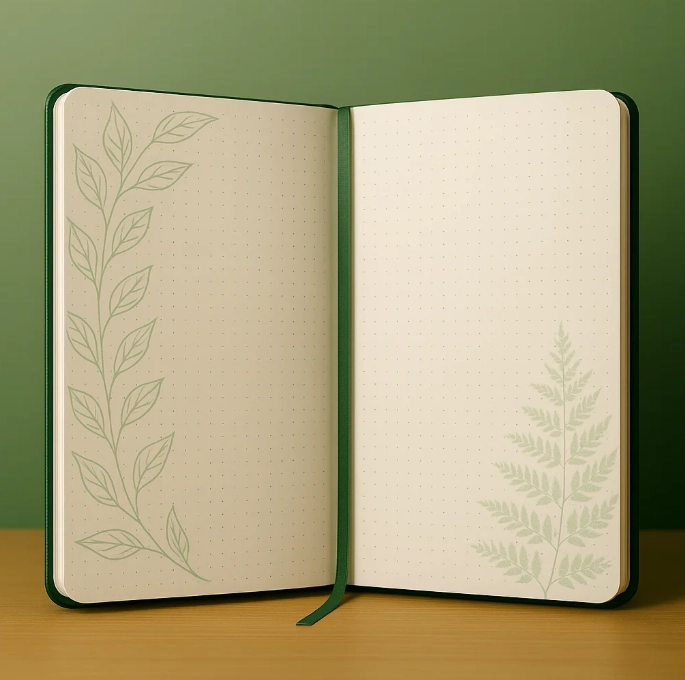
Flexibinding serves as an ideal balance between the stiffness of a hardcover and the light weight of a paperback. Leading brands select this approach more often for upscale stationery since it delivers a refined “limp cloth” or supple leather texture that suggests superior quality. Yet, reaching flawless results in flexibound making demands skilled techniques and solid grasp of material properties. Businesses looking for a production ally that links classic skills with current productivity can turn to Labon, a top worldwide provider. With more than 20 years of experience, this firm focuses on upscale tailoring for museum gift collections, company celebrations, and custom mementos. Their complete production process guarantees that each notebook, starting from cover choice to last binding step, follows strict global benchmarks. Through emphasis on strength and visual accuracy, they deliver options that turn basic sheets into a high-class brand encounter.
Top 1: Cover Warping and Distorted Edges
Cover warping stands as the leading issue in flexibound output. This problem arises when water content in the cover stock, the glue, and the inner board fails to match. As these parts respond in varied ways to outside conditions, the cover shifts from its even shape and starts to bend up or down. Preventing this issue calls for careful picking of materials and steady climate management in the building stage, which together maintain the book’s form.
Selection of Moisture Stable Materials
High-quality PU leather and sturdy greyboard with low water uptake rank as top choices. Such materials that fend off water intake keep the journal level, even amid long ocean shipping or damp weather. This stability proves vital, since it preserves the product’s look over time.
Balanced Lamination Techniques
Expert production depends on evening out the pull between the outer layer and the inside sheets. Equal force application, along with liners of matching thickness, stops the inner tug that twists edges as years pass. These steps ensure lasting alignment, which supports overall reliability.
Controlled Factory Environment
Steady conditions come from monitoring heat and dampness on the work floor. A fixed setting in the sticking and drying phases keeps materials from swelling or shrinking too soon, before the glue hardens completely. This control reduces risks, as it allows even bonding throughout.
Top 2: Spine Cracking and Binding Failure
A split spine quickly ruins the upscale image of a journal. This flaw often traces back to stiff glues or wrong build setups that buckle under frequent flips. Flexibinding needs a fine mix of bend and toughness to hold up during intense everyday handling, which keeps the item whole.
High Performance PUR Glue Application
Polyurethane Reactive (PUR) adhesive stands out as the best option to block spine breakdowns. This strong joiner forms a lasting, bendable link that outlasts regular EVA glue by far, even under sharp heat shifts. Its toughness shines in real use, since it guards against daily wear.
Correct Grain Direction Alignment
The paper grain should line up straight with the notebook spine. Misplaced grain makes the sheet fight bends, adding extra load to the join and causing breaks in time. Proper setup avoids stress, which extends the binding’s life.
Smyth Sewn Structural Reinforcement
Pairing flexibinding with Smyth sewing boosts strength to the max. This technique stitches pages in groups before gluing them to the cover, granting a firm “lay-flat” feature without loose sheets. The result holds firm, as it handles opens and closes smoothly.
Top 3: Bubbling or Peeling of the Cover Material
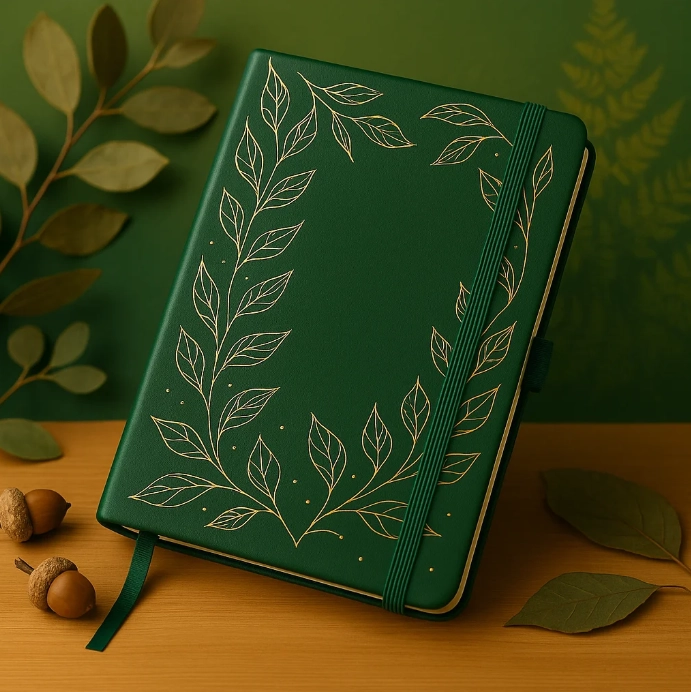
Air pockets under the leather or lifting edges harm a luxury item’s appeal right away. Separation usually stems from weak glue spreading or mismatch between cover feel and adhesive. Fine goods like the “Verdant Whispers” Premium Journal show how smooth sticking yields a touchable, top-tier surface, which elevates the whole design.
Advanced Adhesive Precision
Machine-driven glue systems spread a slim, uniform coat over the full area. This accuracy wipes out glue clumps or bare patches that spark bubbles later on. Even layers build trust, since they prevent surface flaws.
Material Compatibility Testing
PU and stuck leather types handle heat and agents in distinct manners. Thorough match checks confirm the glue mix sticks forever to the cover’s special pattern. These tests secure bonds, which last through handling.
Proper Curing and Pressing Time
Building includes a set pressing period under firm weight. This lets the glue set right and fuses the cover stock with the board into one piece. Full cure strengthens the unit, as it resists pulls over time.
Top 4: Poor Foil Stamping and Logo Clarity
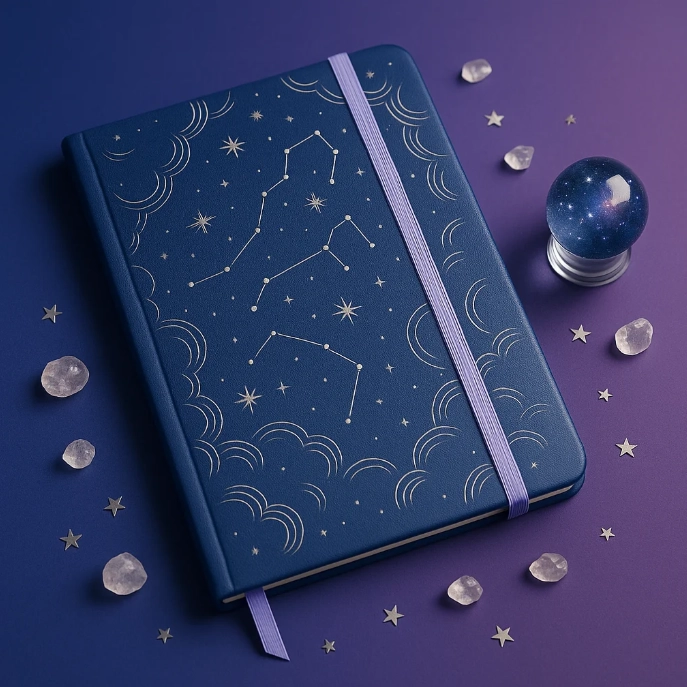
Foil stamping forms the core of marking, but it faces smears, rough borders, or early chips often. These troubles hit when heat, force, or tool grade falls short for the stock. A spotless case appears in the “Stardust Reverie” Premium Journal, where detailed foil stays clear and tough, boosting brand impact.
Precision Heat and Pressure Calibration
The stamping gear needs tuning to the foil’s melt level and cover depth. Right tuning moves the foil neat into the texture, without burns around or fuzzy lines. This fine work keeps details sharp, which aids lasting prints.
Custom Copper Die Usage
Magnesium tools cost less, but copper ones pass heat better and hold fine points. Copper picks for mark tools make logo strokes crisp across big batches. Superior hold ensures quality, as it fits high runs.
Surface Texture Analysis
Foil kind must fit the cover’s surface pull. Certain foils suit even faces, while others cling to rough grains, stopping marks from shedding in action. Matching prevents loss, which maintains the look.
Top 5: Misaligned Overhangs and Trimming Issues
The “overhang” or edge lip past the inner sheets marks flexibinding’s key trait. Off-center parts make the book seem uneven and basic. Even overhangs demand sharp cut gear and pro manual touches, which yield balance.
High Accuracy Automated Trimming
Computer-guided blades cut paper stacks to exact measures before cover fitting. This auto method cuts out hand tool slips from old cutters. Precise cuts build straight lines, as they match specs closely.
Skilled Turn in Craftsmanship
Flexibound corners call for a special “turn-in” fold over the rims. Trained workers make these folds clean and snug, dodging thick or bumpy spots at weak areas. Neat work upholds form, which resists daily bends.
Rigorous QC Inspection Protocols
Layered check steps spot line shifts early. Reviews at build points fix cut faults before pack-up. Full scans catch issues, ensuring final goods meet marks.
Partner with Labon for Premium Flexibound Solutions
Choosing a firm with solid history best dodges flexibinding’s usual traps. Top output needs more than tools; it requires sharp detail sense and use of prime inputs. For museum tokens or firm gift packs, the fit ally gives tech advice to bring ideas to life free of flaws. A broad set of winning cases shows in the Labon portfolio, proving how these rules apply to actual goods. From tailored foil marks to pro Smyth sewn joins, the aim stays on goods that echo brand standing.
Proven Expertise in Customization
Partners turn tough design needs into real forms. Tailor choices cover special feels, paper thicknesses, and unique locks that stand out in busy fields. These features add edge, as they meet exact wants.
Showcased Excellence in Portfolio
Steady high-end journal lines prove tight quality rules. Past reviews check stitch accuracy, foil sharpness, and join strength. Such proof builds faith, since it shows real results.
Seamless Global Supply Chain
Steady makers handle from first plan talks to last world ships. Picks with set paths and quality stamps guarantee upscale journals reach on schedule and sound. Smooth flows cut delays, as they link well.
FAQ
Q1: What is the main difference between flexibinding and standard paperback?
A: Flexibinding uses a “cased-in” structure with a flexible, overhanging cover and endpapers, whereas paperbacks typically have a flush-cut cover glued directly to the spine.
Q2: Can flexibound journals really stay open flat?
A: Yes, if you choose a Smyth sewn binding method combined with flexibinding, the journal will lay flat at 180 degrees without the spine cracking or pages detaching.
Q3: Is flexibinding suitable for heavy, large-format books?
A: Flexibinding is ideal for medium-sized journals and planners, but for very heavy or oversized books, a traditional rigid hardcover is often recommended for better structural support.